




By Jide Akinseye

In a renewed push to strengthen Africa’s agricultural productivity and deepen regional cooperation, Uganda is turning to Nigeria’s oil palm sector for insights, with Ondo State emerging as a focal point of learning and opportunity, Punchonline of 21st April,2026 has learnt.
Leading the delegation, Uganda’s High Commissioner to Nigeria, Philip Odida, accompanied by members of the Ugandan Parliament, visited Ondo to study Nigeria’s oil palm production system and explore pathways for agricultural collaboration between both countries.
The visit underscores a broader continental shift toward revitalising traditional cash crops as viable drivers of economic growth, export earnings, and rural development.
Receiving the delegation, Ondo State’s Commissioner for Agriculture and Forestry, Leye Akinola, highlighted ongoing efforts by the state government to reposition oil palm as a cornerstone of its agricultural strategy.
He emphasised that Ondo remains one of Nigeria’s leading oil palm-producing states, noting that deliberate policies are being implemented to expand production capacity, modernise farming practices, and strengthen the entire value chain—from cultivation to processing.
According to Akinola, the state is actively fostering an enabling environment through improved extension services, farmer support initiatives, and investment-friendly policies designed to attract both local and international stakeholders.
“We are committed to building a sustainable and competitive oil palm sector that delivers value for farmers and contributes meaningfully to economic growth,” he said, reiterating the state’s openness to strategic partnerships.
For industry stakeholders, the renewed focus on oil palm reflects a broader national effort to reclaim lost ground. Chairman of the National Palm Produce Association of Nigeria in Ondo State, Adetula Bolarinwa, described the crop as historically significant to Nigeria’s economy.
He recalled that oil palm once stood as a major foreign exchange earner before the discovery of crude oil shifted national priorities away from agriculture. Today, however, the narrative is changing.
“There is a clear and growing commitment to reposition oil palm as a key pillar of economic diversification,” Bolarinwa noted, pointing to the introduction of improved seedlings, adoption of modern agronomic practices, and increased private sector participation as signs of progress.
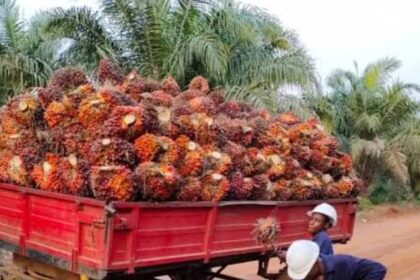
These developments are gradually restoring confidence among farmers, many of whom are returning to oil palm cultivation as a viable and profitable enterprise.
At the operational level, extension services are playing a critical role in driving this transformation. The Ondo State Agricultural Development Programme (ADP) continues to support farmers through training, access to high-yield planting materials, and improved market linkages.
Programme officials stressed that equipping farmers with modern techniques and connecting them to markets are essential steps toward boosting productivity and ensuring sustainable livelihoods.
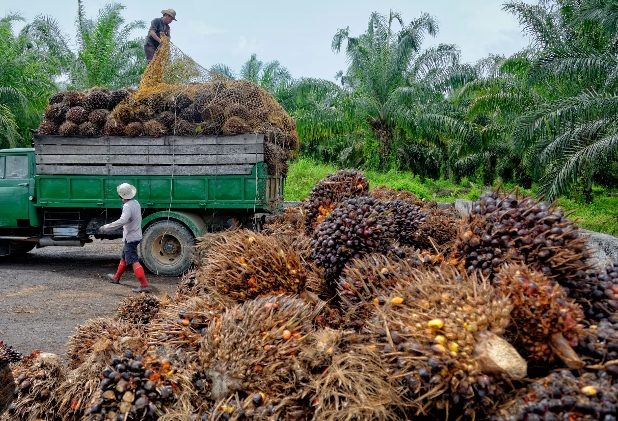
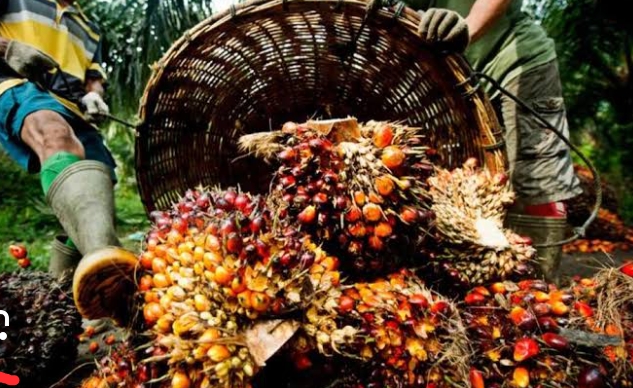
During their visit, the Ugandan delegation toured oil palm plantations across the state, where they were introduced to modern cultivation techniques, including nursery establishment, optimal spacing, and maintenance of high-yielding varieties.
They also received practical insights into pest and disease management, as well as sustainable farming practices critical to long-term productivity.
Engaging directly with farmers and stakeholders, the Ugandan lawmakers explored key issues such as yield per hectare, gestation periods, access to quality inputs, and the effectiveness of Nigeria’s smallholder-driven production model.
Their interest highlights the growing relevance of Nigeria’s approach within Africa, particularly as countries seek scalable models that balance smallholder inclusion with commercial viability.
The visit signals more than a technical exchange—it reflects a shared ambition among African nations to harness agriculture as a pathway to food security, job creation, and economic resilience.
For Nigeria, it is also an opportunity to showcase its evolving agricultural landscape, where renewed investment and policy support are gradually transforming legacy crops like oil palm into engines of growth once again.