

By Lanre Shodimu

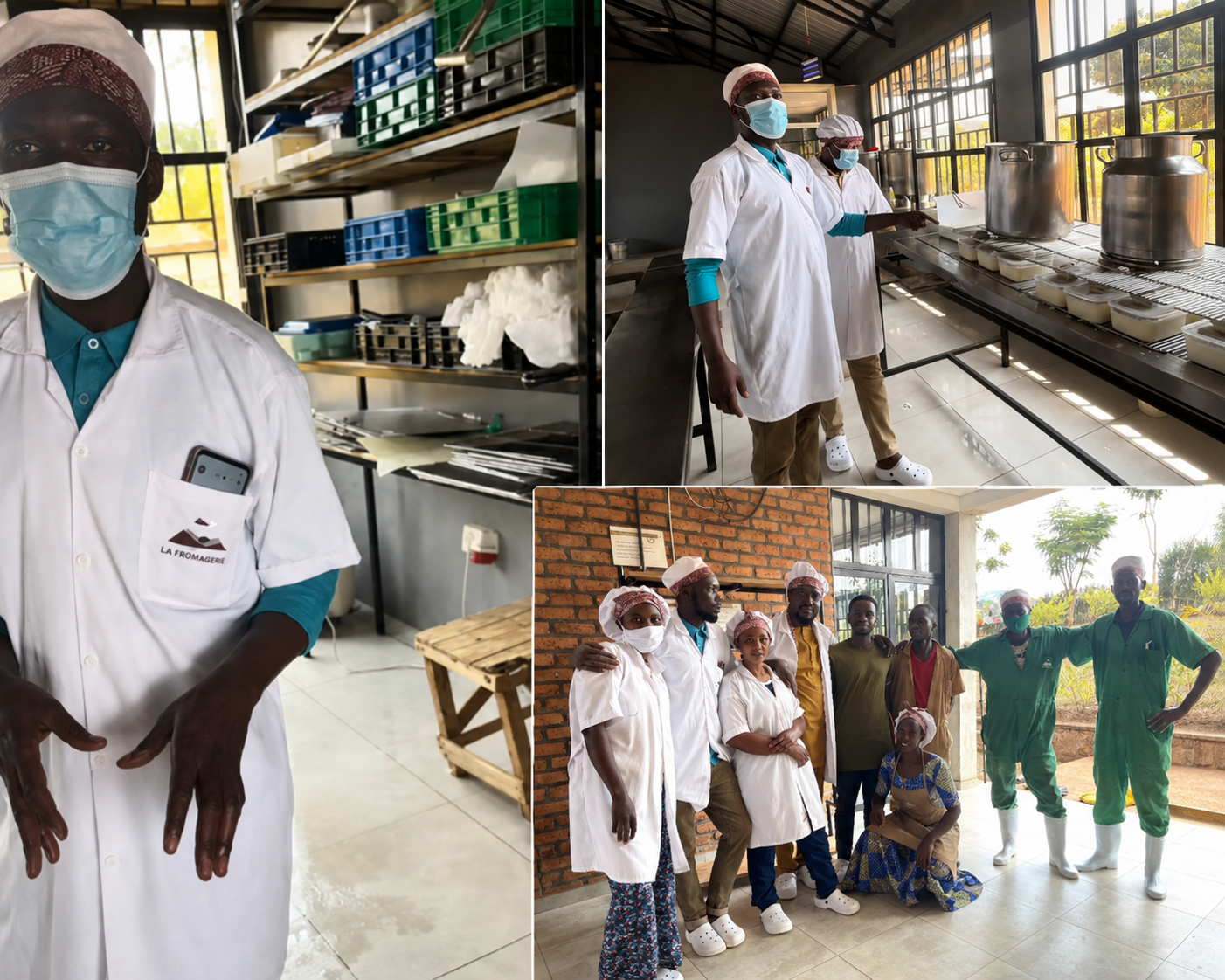
As part of Farmlife Media’s assessment tour of Rwanda’s agricultural sector, the team visited a modern cheese processing facility owned by LA FROMAGERIE to gain first-hand insight into the country’s dairy value chain. The visit provided a comprehensive understanding of how fresh milk is transformed into premium-quality cheese through rigorous quality assurance measures, hygienic processing techniques, and carefully controlled maturation processes.
During the tour, the facility’s Cheese Master, who heads the production unit, took the Farmlife Media team through every stage of production—from milk reception and laboratory testing to cheese processing, ageing and packaging.
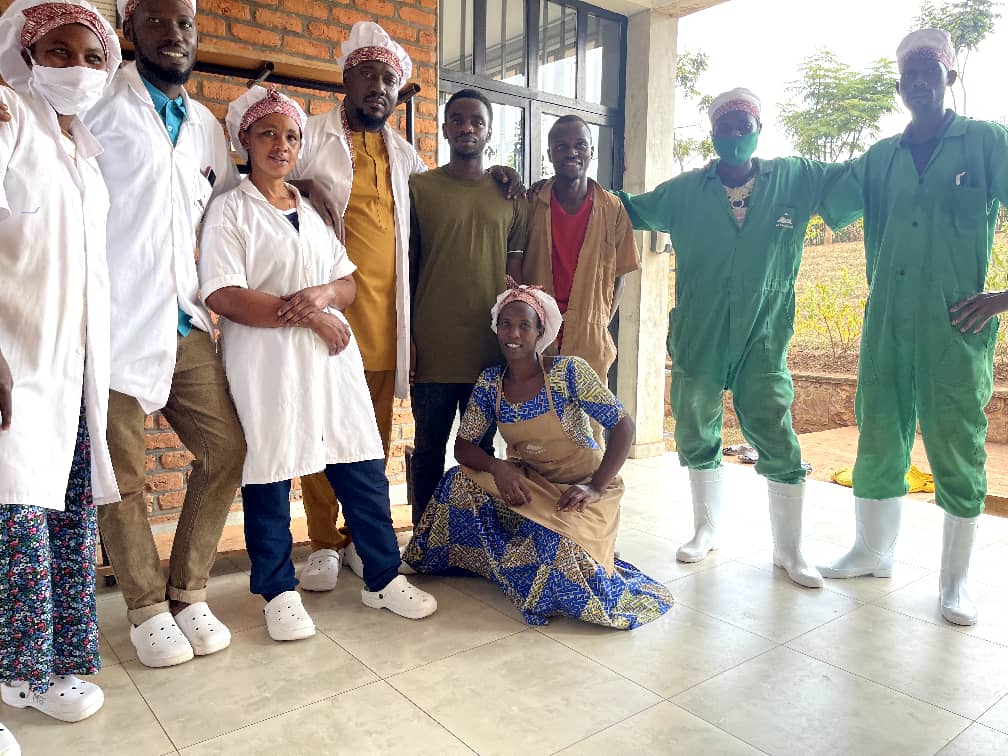
The visit showcased Rwanda’s commitment to producing safe, high-quality dairy products while fostering strong partnerships with local dairy farmers through continuous training and adherence to strict food safety standards.

The assessment also highlighted how modern dairy processing, effective quality control systems and sustainable resource management have contributed to the growth of Rwanda’s cheese industry, making the facility a model for value addition within the country’s livestock sector.
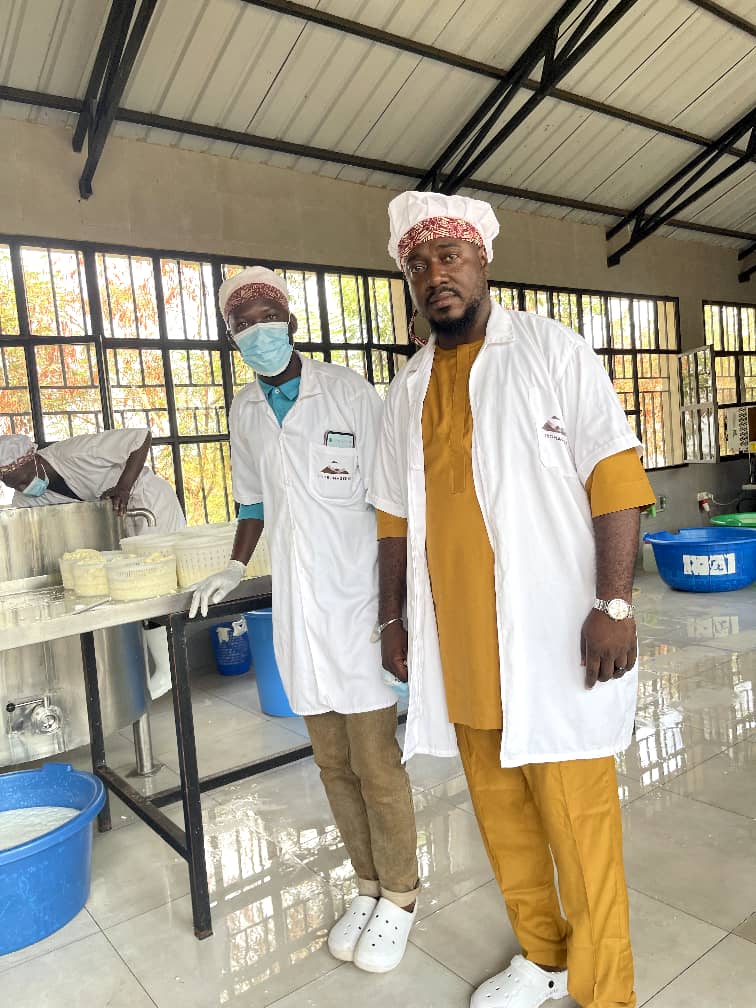
Milk Reception: The First Step in Quality Assurance
The tour began at the milk reception section, which also serves as the factory’s laboratory. According to the Cheese Master, the facility processes two major types of milk—goat milk and cow milk. While goat milk is sourced directly from the company’s farm, cow milk is supplied by carefully selected neighbouring dairy farmers.
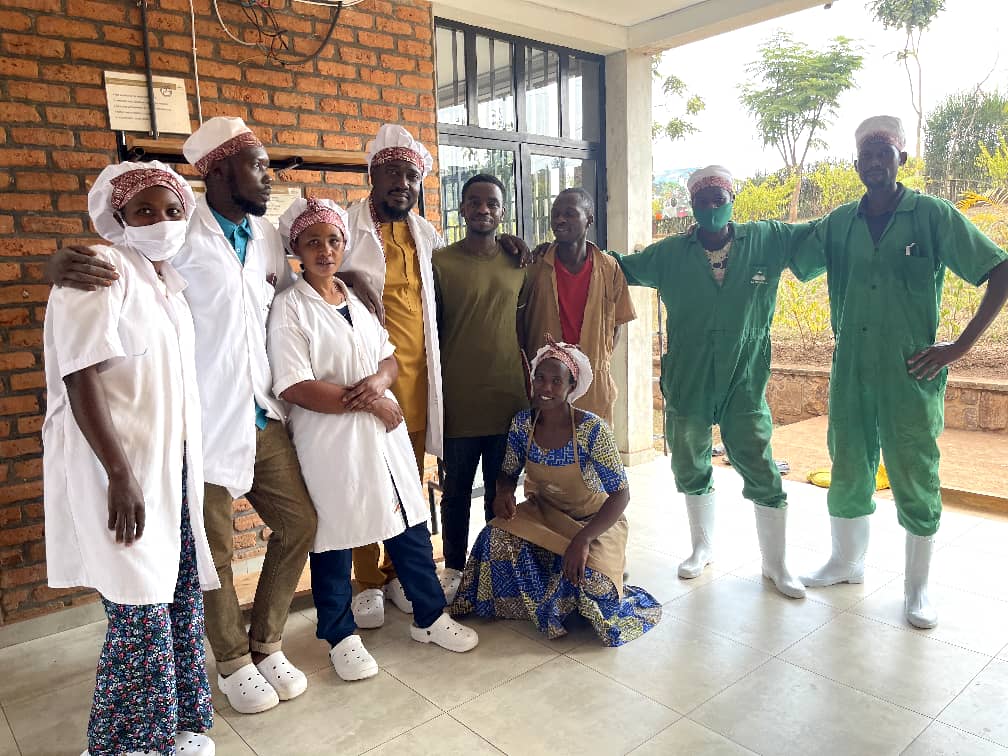
Upon arrival, all milk deliveries undergo strict inspection before acceptance.
Farmers transport their milk exclusively in stainless steel milk cans, as plastic containers are prohibited under government food safety regulations.
The use of approved metal containers helps preserve milk quality and prevents contamination during transportation.
The Cheese Master explained that maintaining quality begins long before the milk reaches the factory. Only farmers who comply with strict production standards are permitted to supply milk to the facility.
Freshness Testing
One of the first quality control procedures carried out is the freshness test.
According to the Cheese Master, milk must be delivered immediately after milking. Milk stored overnight or kept for extended periods before delivery is automatically rejected because its quality deteriorates rapidly.
To verify freshness, technicians use an ethanol test. A measured quantity of milk is mixed with ethanol in a testing container.
If the milk coagulates or separates, it indicates poor quality and the batch is rejected. However, if no separation occurs, the milk is considered fresh and suitable for processing.
This simple but effective test enables the factory to identify deteriorated milk before it enters the production line.
Screening for Antibiotic Residues
Beyond freshness testing, the factory conducts comprehensive screening for antibiotic residues.
The Cheese Master explained that dairy animals are occasionally treated with antibiotics or other medications. If milk is collected before the withdrawal period has elapsed, traces of these drugs may remain in the milk.
Such milk cannot be accepted because antibiotic residues may pose health risks to consumers and interfere with the cheese-making process.
To prevent this, rapid diagnostic test kits are used to screen every batch before processing.
Only milk that passes the antibiotic test proceeds to the next stage.
Aflatoxin Detection
The facility also conducts aflatoxin testing as part of its food safety programme.
Aflatoxins are harmful toxins that may develop when dairy animals consume contaminated feed.
According to the Cheese Master, contaminated feed can introduce aflatoxins into the animals’ system, which may subsequently appear in their milk.
Consumption of aflatoxin-contaminated milk can have serious health implications for consumers.
For this reason, every batch of milk undergoes laboratory testing to ensure it is completely free of aflatoxins before being processed into cheese.
This demonstrates the factory’s commitment to producing dairy products that meet high public health standards.
Density Testing to Detect Milk Adulteration
Another critical quality assurance procedure involves testing the density of milk.
The Cheese Master explained that some suppliers may attempt to increase the volume of milk by adding water.
Using specialised equipment, technicians measure the density of every batch.
Any deviation from the standard density immediately reveals whether water has been added.
The equipment is sufficiently sensitive to estimate the quantity of water present.