




By: Jide Akinseye

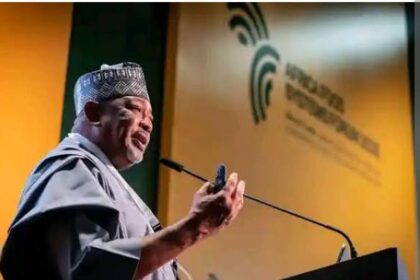
As Africa intensifies efforts to strengthen regional integration and reduce dependence on foreign markets, President Bola Ahmed Tinubu has urged African nations to unite around a common commodity platform capable of boosting intra-African trade, attracting investments, and accelerating the continent’s economic transformation.Speaking

at the Africa CEO Forum 2026 in Kigali, the Nigerian leader stressed the importance of stronger continental alliances, coordinated trade systems, and bold economic reforms to unlock Africa’s vast economic potential.
Tinubu pushes for unified African commodity platform to boost intra-African trade
President Bola Ahmed Tinubu has called on African leaders to establish a unified commodity platform aimed at strengthening intra-African trade, deepening economic cooperation, and positioning the continent for sustainable economic growth.
The Nigerian leader made the call during the presidential panel session at the ongoing Africa CEO Forum 2026 held in Kigali, where heads of state, investors, policymakers, and business executives gathered to deliberate on Africa’s economic future and regional integration.
The forum, themed “The Sovereign Test: Can Africa Turn Continental Alliances into Assets?”, focused on practical strategies for accelerating industrial growth, enhancing trade relations, and building stronger economic alliances capable of driving development across the continent.


Speaking during the session, President Tinubu emphasized that African nations must move beyond fragmented trade systems and embrace coordinated economic frameworks that would encourage seamless exchange of goods and services within the continent. According to him, a common commodity platform would not only improve trade efficiency but also help stabilize markets, attract investment, and reduce Africa’s heavy dependence on external trading partners.
The President noted that Africa possesses enormous economic potential through its vast natural resources, expanding consumer market, and youthful population, but stressed that the continent can only maximize these advantages through stronger collaboration and deliberate economic integration.
Tinubu also used the opportunity to showcase the economic reforms being implemented by his administration in Nigeria, describing them as part of broader efforts to reposition the country as a competitive investment destination in Africa. He highlighted ongoing policies aimed at improving investor confidence, stimulating industrial productivity, and laying the foundation for long-term economic stability.
The discussions at the forum continued to revolve around key issues including trade expansion, investment opportunities, industrial development, infrastructure financing, and the future of Africa’s economic alliances in a rapidly evolving global economy.
Observers at the gathering noted that calls for stronger intra-African trade mechanisms have gained increasing momentum in recent years, particularly with the implementation of the African Continental Free Trade Area (AfCFTA), which seeks to create one of the world’s largest single markets across the continent.
For many participants, the forum served as another reminder that Africa’s economic future may largely depend on the ability of its leaders to build stronger partnerships, harmonize trade policies, and create institutions capable of supporting inclusive and sustainable growth.