



By: Lanre Shodimu

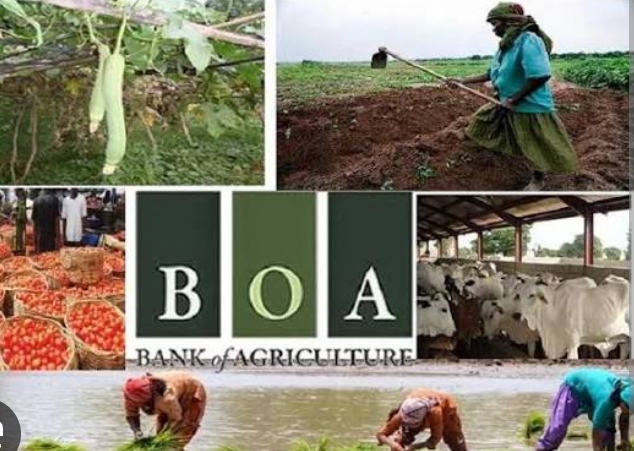
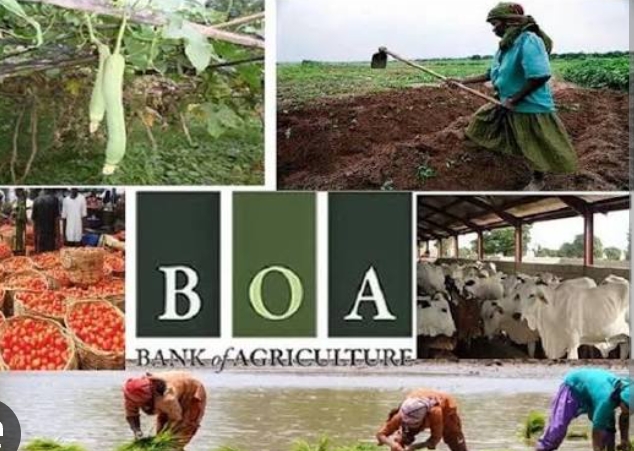
As Nigeria battles rising food inflation and post-harvest losses, the Bank of Agriculture unveils a new intervention designed to protect farmers, guarantee minimum prices for staple crops, and strengthen national food security through strategic grain reserves and mechanisation support.
The Bank of Agriculture has unveiled an ambitious food price stabilisation programme that will see the bank purchase excess farm produce directly from farmers whenever market prices crash below government-approved thresholds.
The initiative, introduced under a Guaranteed Minimum Price (GMP) mechanism, is aimed at protecting smallholder farmers from exploitative pricing, reducing post-harvest losses, and ensuring stable food supply across the country.
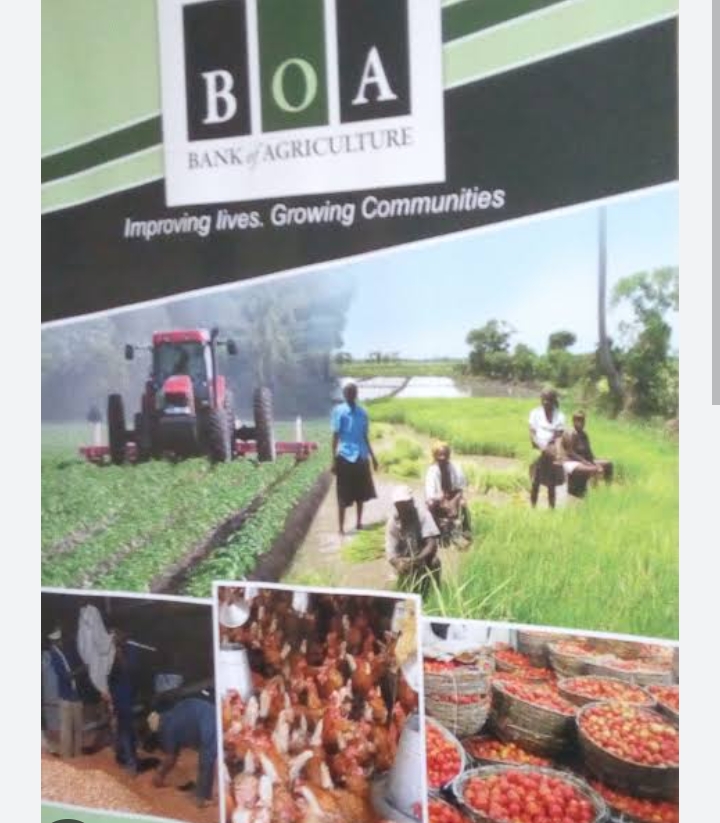
Managing Director of the bank, Ayodeji Sotinrin, disclosed that the intervention aligns with the agricultural reform agenda of President Bola Ahmed Tinubu, which prioritises food security, mechanisation, and improved farmer welfare.
Under the proposed framework, the government will establish price floors for major staple crops including maize, rice, soybeans, and cassava. Whenever market prices fall below the approved benchmark, the BOA will step in to buy surplus produce from farmers and store the commodities in the nation’s 33 silos for future market stabilisation.
According to Sotinrin, the policy is designed to address the persistent imbalance between production costs and low farm-gate prices that often leave farmers vulnerable to losses after harvest seasons.
He explained that the intervention would not only cushion farmers against market volatility but also help government maintain strategic food reserves capable of moderating food inflation during periods of scarcity.
The BOA chief described the programme as a nationwide campaign that would be aggressively promoted across media platforms to encourage farmer participation and public awareness.
Beyond price stabilisation, the bank is also restructuring its financing model by shifting away from traditional direct micro-credit disbursement toward a technology-driven ecosystem anchored on farmer aggregation companies.
Through the new digital framework, the bank now uses identity verification systems such as Bank Verification Number (BVN) and National Identification Number (NIN) to open bank accounts for farmers within minutes. The move, according to the bank, is intended to ensure that intervention funds reach genuine farmers rather than middlemen or fraudulent beneficiaries.
Mechanisation also remains central to the reform agenda. Sotinrin noted that Nigeria’s tractor density remains critically low at just 0.27 tractors per 100 square kilometres — far below global standards needed for efficient commercial agriculture.
To bridge the gap, the bank has deployed 2,000 high-capacity tractors sourced from Belarus to mechanisation service providers expected to cover at least 600 hectares each. The intervention is projected to support more than 1.2 million farmers during the current wet farming season.
In another major intervention, the bank has launched a ginger revival programme following the devastating fungal disease outbreak that severely affected production in 2023. The programme will introduce tissue culture technology to replace conventional replanting methods, with the goal of transforming Nigeria’s ginger industry from a $300 million market into a $3 billion export sector by 2028.
The reforms form part of broader efforts by the Tinubu administration to reposition agriculture as a major driver of economic growth, employment, export earnings, and food security.
As part of that agenda, the Federal Government recently approved a N1.5 trillion recapitalisation plan for the BOA to transform it into a full-scale development finance institution capable of delivering affordable credit, innovation support, mechanisation services, and capacity development for farmers, especially women and youth-led agribusinesses.