




By: Guardianonline

A feature published by The Guardian Nigeria on April 18, 2026, revisits a once-thriving agricultural trade between Nigeria and Mexico, raising urgent questions about policy execution, export compliance, and missed economic opportunities. In this insightful piece, trade expert Max Bunmi Banjo—Managing Director of Puente Nova and former lead on Google Digital Skills for Africa—examines how Nigeria lost its dominant position in Mexico’s hibiscus market and what must be done to reclaim it.
In July 2024, Mexico’s ambassador to Nigeria, Alfredo Miranda, announced a $100 million commitment to revive hibiscus imports from Nigeria. Nearly two years later, that promise remains largely unfulfilled. The pathway for trade exists, yet shipments have not resumed—highlighting a deeper structural issue in Nigeria’s export ecosystem.
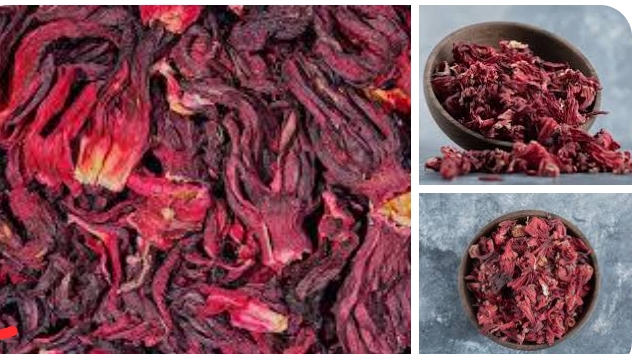
For over a decade, Nigeria was Mexico’s leading supplier of hibiscus, exporting approximately 68.6 million kilogrammes between 2008 and 2018—accounting for about 64 percent of Mexico’s total imports, according to SENASICA. The demand was driven by agua de jamaica, a staple beverage in Mexico, ensuring a steady industrial appetite for the crop.
However, in 2018, the trade abruptly collapsed after Mexican authorities detected khapra beetle infestation—a quarantine pest—in Nigerian shipments. Imports were immediately halted. Competitors, particularly China, quickly filled the gap, with Senegal and Sudan also capturing portions of the market.
The root cause was not product quality or pricing. Nigerian hibiscus had a competitive edge—selling at roughly 33 pesos per kilogramme compared to China’s mid-40 peso range. Instead, the breakdown stemmed from weak compliance systems: inconsistent pre-export inspections, poor container hygiene, and lapses in phytosanitary enforcement.
Despite this setback, the economic fundamentals remain strong. Mexico’s domestic production, largely centered in Guerrero, cannot meet national demand. Research from Universidad Autónoma Chapingo shows that over half of the country’s hibiscus consumption is still import-dependent.
Efforts to restore the trade have begun. In 2023, Nigeria and Mexico signed a bilateral phytosanitary Work Plan outlining clear re-entry conditions, including certification by NAQS, sealed container protocols, and pest screening requirements. Yet, implementation has been slow.
Banjo outlines three critical steps to accelerate recovery. First, Nigeria must strengthen exporter compliance capacity, particularly in key producing states like Kano and Katsina. Targeted certification programmes led by NEPC and NAQS could help exporters meet international standards.
Second, there is a need to bridge supply chain gaps. While Mexican buyers rely on aggregators, many Nigerian farmers lack access to export networks. The Nigeria-Mexico Chamber of Commerce—launched in April 2025—can play a vital role in connecting producers to global markets.
Third, exporters must improve commercial communication. Simple, well-structured Spanish-language profiles detailing pricing, volumes, certifications, and logistics could significantly enhance market access.
The hibiscus case reflects a broader challenge in Nigeria’s export strategy. Although non-oil exports rose by 21 percent in the first half of 2025 to $12.8 billion, expansion remains concentrated in traditional markets. Latin America—with over 650 million consumers—remains largely untapped despite clear demand signals.
Nigeria still holds the advantages: competitive pricing, established demand, and a regulatory framework for re-entry. What is missing is coordination—between farmers, exporters, regulators, and trade institutions.
The opportunity remains open, but not indefinitely. As global competitors continue to strengthen their supply chains, Nigeria risks permanently losing a market it once dominated—unless decisive action is taken.