
By: Lanre Shodimu

As Nigeria battles rising food prices, insecurity in farming communities, and mounting pressure on domestic food production, stakeholders are calling for stronger implementation of ongoing agricultural reforms. Agriculture expert, Imole Okuntimo, says while recent government policies signal renewed commitment to the sector, success will depend largely on execution, coordination, and sustained investment.
Nigeria’s push to reform its agricultural sector has received cautious endorsement from agriculture expert, Imole Okuntimo, who says effective implementation remains the missing link in achieving sustainable food security and lowering food inflation.
Okuntimo observed that the country continues to grapple with severe food security challenges driven by rapid population growth, climate change, insecurity in key farming regions, and structural weaknesses across agricultural value chains.
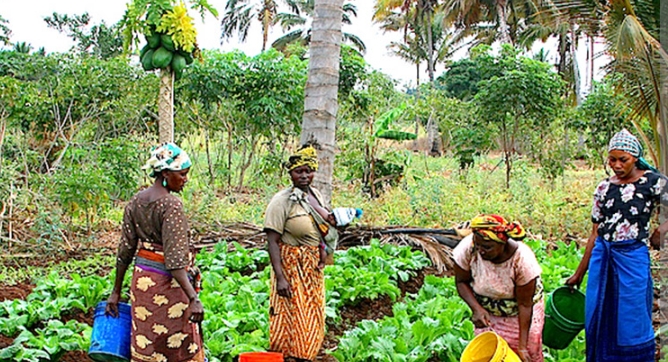
According to him, these challenges have combined to reduce food supply, disrupt production systems, and worsen the cost of food nationwide.
He explained that recent policy interventions by the authorities reflect a combination of short-term relief measures and long-term structural reforms aimed at repositioning the sector.
Among the immediate interventions is the 150-day duty-free import window for essential food commodities, designed to increase food supply and stabilise prices.
While acknowledging that the policy could provide temporary relief for consumers, Okuntimo warned that prolonged dependence on food imports could discourage local farmers and weaken domestic production capacity.
He stressed that such emergency measures should remain temporary and must be complemented by aggressive support for local producers.
The agriculture expert also highlighted the importance of the National Livestock Master Plan, describing it as a strategic initiative capable of transforming Nigeria’s livestock industry if properly implemented.
According to him, transitioning from open grazing to modern ranching systems would improve productivity, strengthen animal health management, enhance feed supply chains, and reduce conflicts between farmers and herders.
He noted that improved livestock systems could significantly increase local dairy and meat production while reducing the country’s dependence on imports.

Okuntimo further emphasised the need for greater mechanisation in agriculture, particularly through lease-to-own equipment schemes targeted at smallholder farmers.
He said limited access to modern farming tools remains one of the biggest obstacles to productivity in Nigeria’s agricultural sector.
Improved mechanisation, he explained, would help farmers cultivate larger areas, reduce labour costs, minimise post-harvest losses, and attract more young Nigerians into agribusiness.
Despite the growing number of reforms and intervention programmes, Okuntimo cautioned that Nigeria’s history of weak policy implementation continues to threaten progress in the sector.
He identified poor institutional coordination, inadequate funding, and inconsistent policies as major obstacles that have repeatedly undermined agricultural initiatives.
To achieve meaningful results, he called for stronger monitoring and evaluation mechanisms, increased transparency in programme execution, and closer collaboration between government institutions and private sector stakeholders.
Okuntimo maintained that Nigeria possesses enormous agricultural potential, particularly in agro-processing, climate-smart agriculture, digital farming technologies, and export-oriented production.
He added that with sustained political will and proper implementation, the sector could become a major driver of economic growth, employment generation, and long-term food security.

By: Lanre Shodimu
As Nigeria battles rising food prices, insecurity in farming communities, and mounting pressure on domestic food production, stakeholders are calling for stronger implementation of ongoing agricultural reforms. Agriculture expert, Imole Okuntimo, says while recent government policies signal renewed commitment to the sector, success will depend largely on execution, coordination, and sustained investment.
Feature Story
Nigeria’s push to reform its agricultural sector has received cautious endorsement from agriculture expert, Imole Okuntimo, who says effective implementation remains the missing link in achieving sustainable food security and lowering food inflation.
Okuntimo observed that the country continues to grapple with severe food security challenges driven by rapid population growth, climate change, insecurity in key farming regions, and structural weaknesses across agricultural value chains.
According to him, these challenges have combined to reduce food supply, disrupt production systems, and worsen the cost of food nationwide.
He explained that recent policy interventions by the authorities reflect a combination of short-term relief measures and long-term structural reforms aimed at repositioning the sector.
Among the immediate interventions is the 150-day duty-free import window for essential food commodities, designed to increase food supply and stabilise prices.
While acknowledging that the policy could provide temporary relief for consumers, Okuntimo warned that prolonged dependence on food imports could discourage local farmers and weaken domestic production capacity.
He stressed that such emergency measures should remain temporary and must be complemented by aggressive support for local producers.
The agriculture expert also highlighted the importance of the National Livestock Master Plan, describing it as a strategic initiative capable of transforming Nigeria’s livestock industry if properly implemented.
According to him, transitioning from open grazing to modern ranching systems would improve productivity, strengthen animal health management, enhance feed supply chains, and reduce conflicts between farmers and herders.
He noted that improved livestock systems could significantly increase local dairy and meat production while reducing the country’s dependence on imports.
Okuntimo further emphasised the need for greater mechanisation in agriculture, particularly through lease-to-own equipment schemes targeted at smallholder farmers.
He said limited access to modern farming tools remains one of the biggest obstacles to productivity in Nigeria’s agricultural sector.
Improved mechanisation, he explained, would help farmers cultivate larger areas, reduce labour costs, minimise post-harvest losses, and attract more young Nigerians into agribusiness.
Despite the growing number of reforms and intervention programmes, Okuntimo cautioned that Nigeria’s history of weak policy implementation continues to threaten progress in the sector.
He identified poor institutional coordination, inadequate funding, and inconsistent policies as major obstacles that have repeatedly undermined agricultural initiatives.
To achieve meaningful results, he called for stronger monitoring and evaluation mechanisms, increased transparency in programme execution, and closer collaboration between government institutions and private sector stakeholders.
Okuntimo maintained that Nigeria possesses enormous agricultural potential, particularly in agro-processing, climate-smart agriculture, digital farming technologies, and export-oriented production.
He added that with sustained political will and proper implementation, the sector could become a major driver of economic growth, employment generation, and long-term food security.