





By Jide Akinseye

Despite its vast economic promise, Nigeria’s livestock sector continues to underperform, weighed down by decades of neglect, low productivity, and weak integration into the formal economy. As the federal government moves from policy design to implementation, stakeholders say urgent reforms are needed to unlock a $32 billion opportunity and improve access to animal protein for millions of Nigerians.
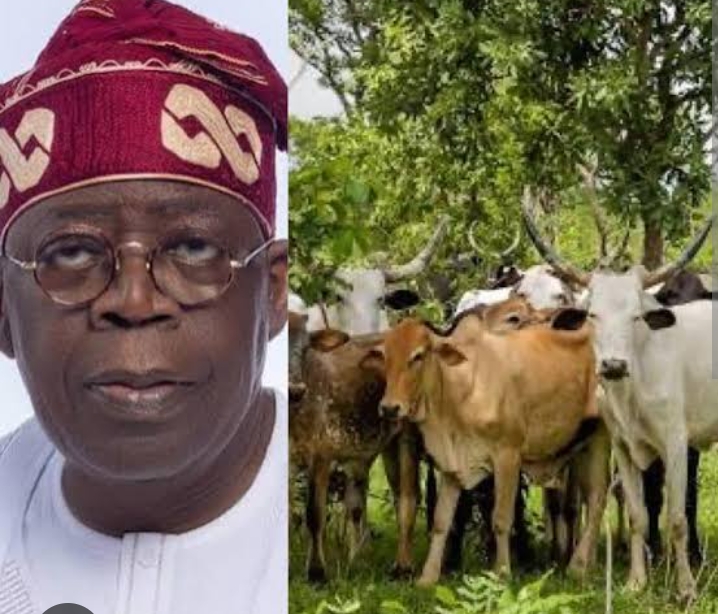
Nigeria’s livestock industry, long regarded as a sleeping giant, is yet to realize its full economic potential, with the federal government expressing concern over persistently low consumption of meat and milk across the country.

The Minister of Livestock Development, Idi Mukhtar Maiha, warned that poor livestock productivity has significantly limited access to animal-source protein, while also slowing growth within the sector.
Speaking at a policy forum in Kaduna, Maiha attributed the situation to decades of underinvestment and the failure to properly integrate livestock production into the formal economy.
“For over 60 years, the livestock sector remained largely outside the formal economy. Today, we are taking deliberate steps to mainstream a $32 billion opportunity,” he said.
He explained that the government is now shifting focus from policy formulation to implementation, with reforms targeting critical areas such as animal health, feeding systems, market access, and value addition.
According to him, boosting productivity across the livestock value chain will not only enhance farmers’ incomes but also improve national nutrition outcomes.
Maiha stressed that increasing access to animal-source protein remains a top priority, noting that Nigeria ranks among the lowest consumers of meat and dairy products in Africa.
“We are not just talking about potential anymore; we are acting to ensure Nigerians have access to nutritionally balanced diets,” he added.
Stakeholders at the forum echoed the need for practical, coordinated interventions, particularly in disease control, feed supply, and farm productivity, to bridge the gap between policy ambition and on-ground realities.
They emphasized that without sustained investment and effective implementation, the sector may continue to fall short of its promise as a key driver of economic growth and food security.