



By Jide Akinseye

Africa’s long-standing dominance in cocoa production and its historic roots in coffee cultivation have yet to translate into commensurate economic gains.
A persistent reliance on raw commodity exports, weak value addition, and limited market access continue to constrain earnings across the continent. In response, stakeholders are intensifying efforts to reposition Africa within the global value chain—shifting from a supplier of raw produce to a competitive force in processing, branding, and trade.
The unveiling follows the formal transition of the Cocoa Farmers Alliance Association of Africa (COFAAA) into COCEFAAA on March 24, 2026, after a board decision to integrate cocoa and coffee under a unified platform. The merger is expected to amplify the voice of producers across West, Central, and East Africa, reflecting the shared socio-economic and environmental challenges facing both sectors.
Industry experts note that cocoa and coffee have maintained a strong linkage over the past decade, particularly through agroforestry systems. However, both commodities continue to suffer from low farmer incomes, weak domestic processing capacity, and limited participation in global value chains—factors that have contributed to the export of jobs and suppressed GDP growth across producing nations.
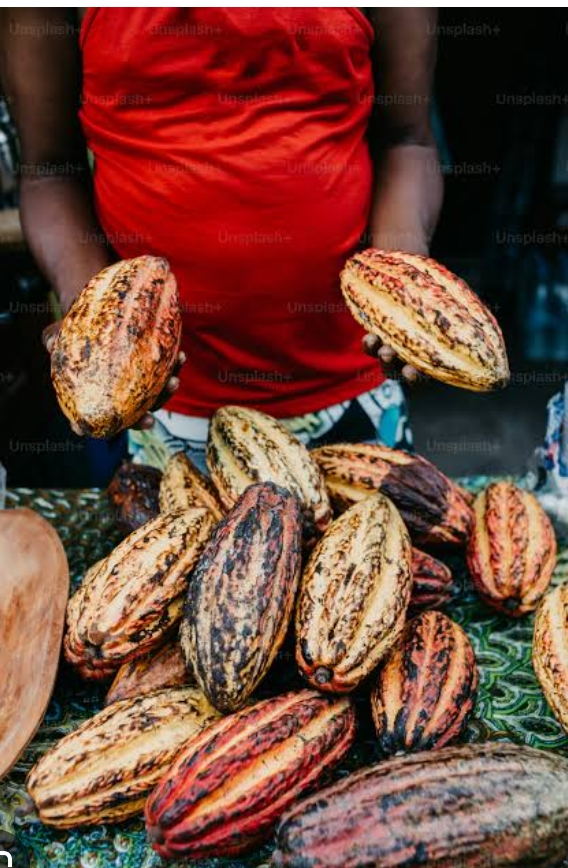
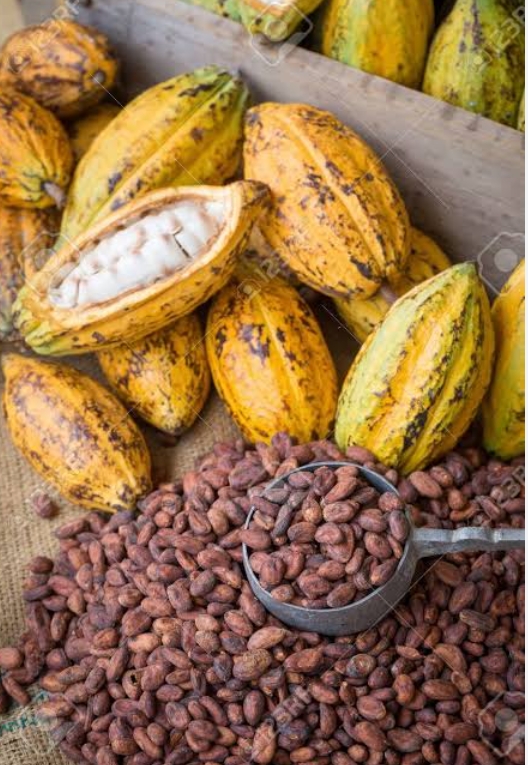
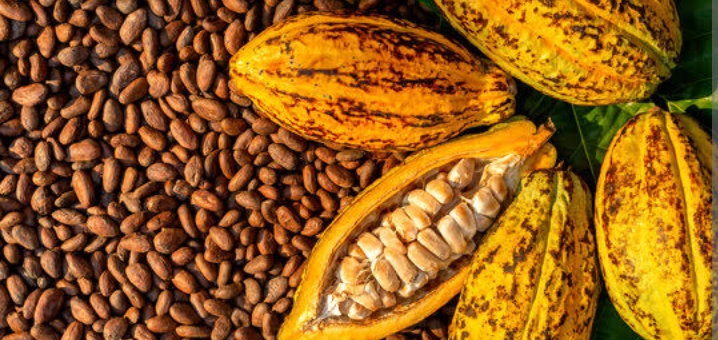
In the cocoa sector, Africa remains the world’s leading producer, accounting for about 70 per cent of global output—estimated at 3.46 million metric tonnes out of 4.84 million tonnes worldwide. Production is heavily concentrated in West Africa, with Côte d’Ivoire leading at approximately 1.85 million tonnes, followed by Ghana, Nigeria, and Cameroon.
Despite this dominance, the continent captures less than 10 per cent of the over $120 billion global chocolate market, earning only about $10 billion annually from cocoa exports. The disparity, stakeholders say, underscores the urgent need for local processing and value addition.
COCEFAAA President, Adegoke, noted that some African countries are already making progress. Côte d’Ivoire has become the world’s largest cocoa grinder, processing nearly 800,000 tonnes locally, while Ghana is pursuing policies to process at least 50 per cent of its cocoa output domestically and enhance traceability to meet global standards.
He explained that the alliance’s three-year plan focuses on key pillars including sustainable production, yield optimisation, agroforestry expansion, infrastructure development, and increased investment in local processing such as grinding and roasting. It also prioritises policy advocacy, community support systems, and improved financing mechanisms for farmers.
Beyond production, the plan aligns with broader continental goals to increase Africa’s share of the global coffee market to 20 per cent by 2030. It also seeks to boost intra-African trade and stimulate domestic consumption in emerging markets including Egypt, South Africa, and Nigeria.
Stakeholders believe that if effectively implemented, the initiative could mark a turning point in Africa’s agricultural transformation—enabling the continent to retain more value from its natural resources while improving livelihoods for millions of smallholder farmers.