




By Isaac Otor

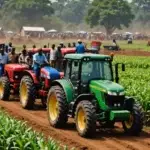
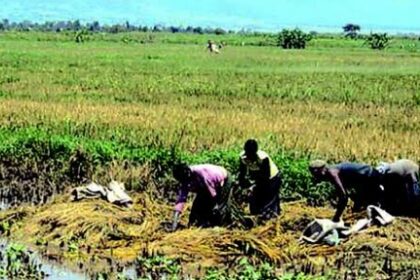
While farming is becoming increasingly mechanized in developed countries, Nigeria’s agricultural sector remains largely subsistence-based, dominated by small holder farmers. Nonetheless, farming continues to provide a vital source of livelihood for many, regardless of the scale or methods used.
As a smallholder farmer operating at a subsistence level, coping with efficiency and effectiveness can be a significant challenge. However, by adopting the following essential tips, you can promote efficiency and boost productivity:
1. Crop Selection:

a) Choose crops that are well-suited to your local climate and soil conditions.
b) Consider factors such as temperature, rainfall, and soil type when selecting crops.
c) Select crops that are in high demand and can provide a good income.
d) Consider growing a mix of staple crops (e.g., maize, cassava) and cash crops (e.g., cocoa, coffee).
2. Soil Conservation:
a) Implement conservation techniques to preserve soil health and fertility.
b) Use practices such as crop rotation, intercropping, and cover cropping to reduce soil erosion and improve soil fertility.
c) Add organic matter such as compost or manure to improve soil structure and fertility.
d) Avoid over-tilling, which can damage soil structure and lead to erosion.
3. Water Management:
a) Use efficient irrigation systems and practices to minimize water waste.
b) Implement conservation techniques such as mulching and drip irrigation to reduce water loss.
c) Harvest rainwater and store it for use during dry periods.
d) Use drought-tolerant crops and varieties to reduce water requirements.
4. Diversification:
a) Grow multiple crops and raise different animals to spread risk and increase income.
b) Consider integrating crops and livestock, such as using animal manure as fertilizer.
c) Diversify your farm products to include value-added products, such as jams, honey, or crafts.
d) Explore opportunities for agritourism, such as farm tours or accommodation.
5. Record-Keeping:
a) Keep accurate records of your farm activities, expenses, and income.
b) Use records to track progress, identify areas for improvement, and make informed decisions.
c) Keep records of weather patterns, soil conditions, and pest and disease outbreaks.
d) Use mobile apps or digital tools to make record-keeping easier and more efficient.
6. Extension Services:
a) Seek advice and support from agricultural extension agents and other experts.
b) Attend training sessions, workshops, and conferences to learn new skills and stay up-to-date with best practices.
c) Join farmer groups or cooperatives to access shared knowledge, resources, and markets.
d) Use digital platforms and online resources to access information and connect with other farmers.
By following these essential tips, small holder farmers can improve their productivity, increase their income, and sustain their livelihoods.
Note:
The information provided is based on general knowledge and best practices in agriculture. However, specific details and recommendations may vary depending on the region, climate, and other factors.
Some reliable sources that support the tips provided include:
1. Food and Agriculture Organization (FAO) of the United Nations
2. International Fund for Agricultural Development (IFAD)
3. National agricultural research institutions and extension services
4. Peer-reviewed journals and academic publications on agriculture and sustainable development
These organizations provide valuable information on sustainable agriculture practices, climate-smart agriculture, and smallholder farmer development.