



By S David Prince

The National Agricultural Development Fund and the National Root Crops Research Institute have launched the Ginger Value Chain Recovery and Sustainability Programme, a new intervention designed to rebuild Nigeria’s ginger sector following the devastating 2023 blight outbreak that crippled production nationwide.
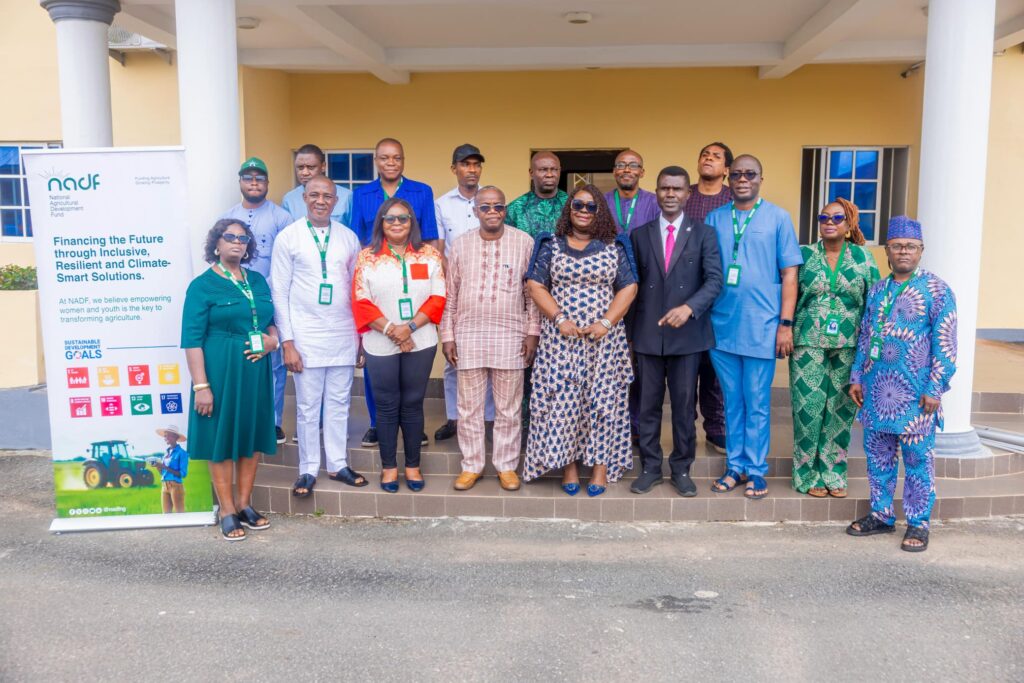
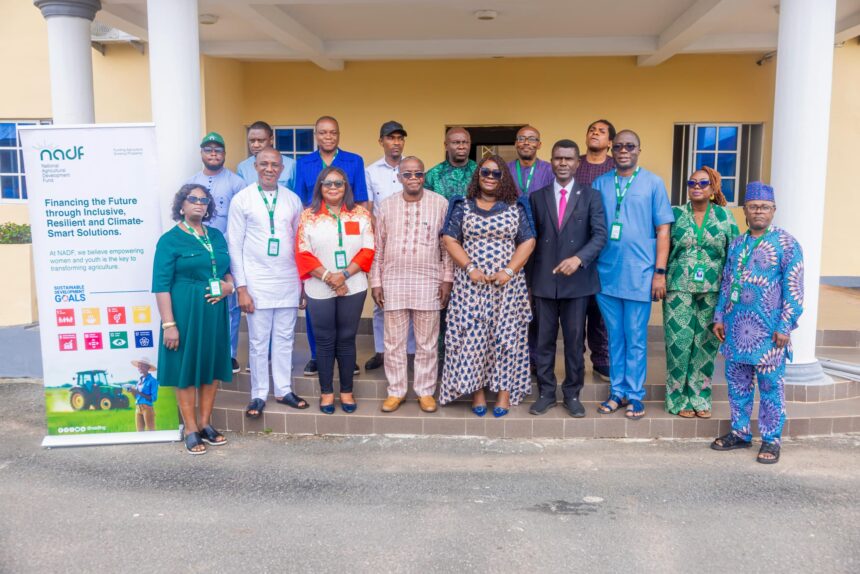
Mr. Mohammed Ibrahim, Executive Secretary of NADF, said the programme forms part of the Fund’s broader ginger recovery roadmap developed in response to the epidemic, which disrupted production, affected thousands of farmers, reduced export earnings and exposed structural weaknesses across the value chain. He spoke through Mr. Ernest Ihedigbo, NADF’s General Manager for Technical Services.
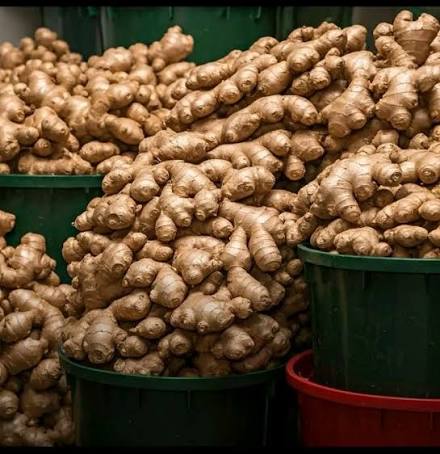
Under the new programme, NADF will provide six metric tonnes of disease-free ginger rhizomes to affected farmers, alongside support for germplasm conservation, disease-free seed multiplication, and the development of a sustainable seed system. Mr. Ibrahim described the initiative as a direct demonstration of the Federal Government’s commitment to agricultural transformation, food security and export competitiveness.

“NADF’s mandate is to translate agricultural policies into sustainable investments that strengthen research, innovation and national food sovereignty,” he stated, adding that meaningful agricultural transformation depends on strong research institutions, modern technology and investments that connect research directly to production and markets.
The intervention builds on an earlier NADF-backed initiative, the Ginger Recovery Advancement and Transformation for Economic Empowerment Programme, which supported the Federal Government’s Ginger Blight Epidemic Control Taskforce. Mr. Ibrahim disclosed that about 6,000 farmers across Kaduna, Plateau and the Federal Capital Territory had already received improved seeds, alternative crop inputs and integrated pest management support under that earlier effort, helping to contain the outbreak and lay groundwork for recovery.
Beyond the ginger-specific intervention, Mr. Ibrahim said NADF is implementing a wider flagship programme to strengthen selected agricultural research institutes as centres of excellence across the country. This includes investment in laboratories, biotechnology facilities, renewable energy systems, irrigation infrastructure, digital platforms and innovation hubs.
He confirmed that NRCRI has been selected as the South-East zone’s beneficiary institute under this broader programme and will receive support for energy infrastructure, digital systems and laboratory equipment, in addition to its specific role in the ginger recovery effort.
Nigeria was, prior to the 2023 outbreak, one of the world’s leading ginger producers and exporters, with the crop serving as a major foreign exchange earner for farming communities in Kaduna and Plateau states in particular. The scale of the recovery effort now underway reflects how severely the blight disrupted that position.
This latest agricultural research investment follows NADF’s recent fertiliser distribution to North-Central farmers under the Farm Input Support Programme. Whether the ginger recovery programme can restore Nigeria’s pre-2023 export volumes will depend on how quickly disease-free planting material reaches farmers ahead of the coming planting cycles.