

By: Lanre Shodimu

As Nigeria battles rising food inflation, recurring disease outbreaks, and worsening environmental pressures, veterinary experts are warning that the country’s weak animal health systems could trigger deeper national crises if urgent reforms are not implemented. They argue that poor investment in veterinary services, disease surveillance, and livestock data management is creating dangerous gaps in food safety, public health, and epidemic preparedness at a time when global health threats are becoming more interconnected.
Experts warn neglect of veterinary sector threatens Nigeria’s food security, public health
Experts have raised concerns that Nigeria’s food security system, public health framework, and environmental safety are facing increasing pressure due to neglect, weak policy implementation, and years of underinvestment in veterinary services.


They warned that the situation has become critical, stressing that the country can no longer afford to treat veterinary services as a secondary issue in national development planning.
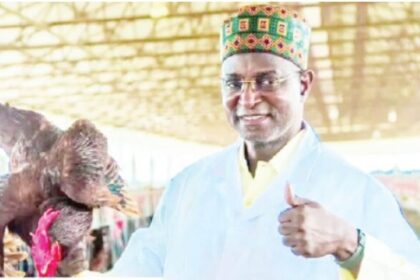
The National President of the Nigerian Veterinary Medical Association, Dr. Moses Arokoyo, described veterinarians as the “invisible backbone” of Nigeria’s food systems and the first line of defence against diseases that spread between animals and humans.
According to him, while national attention is often focused on hospitals and human medicine, the true frontline of epidemic prevention begins on farms, in abattoirs, livestock markets, and laboratories where animal health directly influences human safety long before outbreaks spread into communities.
“From farm to fork, from laboratory to legislation, veterinary medicine underpins food safety and national health security. Nigeria’s failure to properly fund and integrate the sector is creating dangerous blind spots in disease prevention,” he said.
Dr. Arokoyo warned that Nigeria is facing a combination of emerging threats, including climate change, antimicrobial resistance, and zoonotic diseases, all of which are strengthening the connection between animal, human, and environmental health.
He noted that the world has entered what experts describe as the “One Health” era, where disease outbreaks no longer respect traditional boundaries.
“Infections move faster now between animals and humans, while environmental pressures are accelerating transmission,” he said, adding that veterinarians now play critical roles in outbreak detection, vaccination campaigns, food inspection, and pandemic prevention.
Despite these growing responsibilities, he lamented that veterinary services remain underfunded, poorly represented, and structurally weak within national planning systems.
The NVMA president also expressed concern over the absence of reliable livestock and animal health data in Nigeria, warning that the gap is undermining effective disease control and economic planning.
He called for a comprehensive national livestock census, insisting that policy decisions are currently being made without adequate data.
“If it is not measured, it does not exist in policy,” he stated, noting that vaccination coverage, disease outbreaks, and meat inspection outcomes are rarely documented in ways that can attract reforms or investment.
Dr. Arokoyo described the situation as a silent crisis that continues to weaken advocacy efforts and expose the country to serious preparedness gaps.
He further warned that the fragmentation of Nigeria’s health and food safety institutions is reducing the country’s capacity to respond effectively to emergencies.
The veterinary association therefore called for stronger integration of veterinary services into national emergency response mechanisms, One Health coordination systems, and broader policy frameworks.
“Together everyone achieves more. Modern health threats require coordinated action across human, animal, and environmental sectors,” he said.
While acknowledging improvements in digital disease reporting, genomic epidemiology, portable diagnostics, and tele-veterinary services, the association cautioned that innovation without proper regulation could worsen existing risks.
Dr. Arokoyo also raised alarm over increasing cases of quackery and the misuse of veterinary drugs, particularly antibiotics, warning that such practices could accelerate antimicrobial resistance — a growing global threat capable of making common infections untreatable in both animals and humans.
“This is not just a veterinary issue. It is a national survival issue,” he warned.
The association further called for the full implementation of the National Veterinary Policy, improved staffing across state and local governments, and sustained investment in vaccination programmes, abattoir rehabilitation, and disease surveillance infrastructure.
According to the NVMA, failure to address these challenges could expose Nigeria to more preventable disease outbreaks, worsening food insecurity, and major economic losses within the livestock sector, one of the country’s most valuable agricultural industries.
Caption
Veterinary experts have warned that poor investment in animal health systems, disease surveillance, and livestock data management could worsen food insecurity and public health risks in Nigeria.