




By Jide Akinseye

Determined to end decades of exporting raw agricultural commodities with little economic return, the Federal Government has reaffirmed its ban on the export of raw shea nuts, insisting the policy is central to Nigeria’s drive for industrial growth, local value addition, and job creation. Speaking at the 18th Global Shea Alliance Annual Conference in Ghana, government officials said the initiative is already transforming Nigeria’s shea industry by attracting investment, expanding local processing, and improving earnings for farmers and women-led businesses.
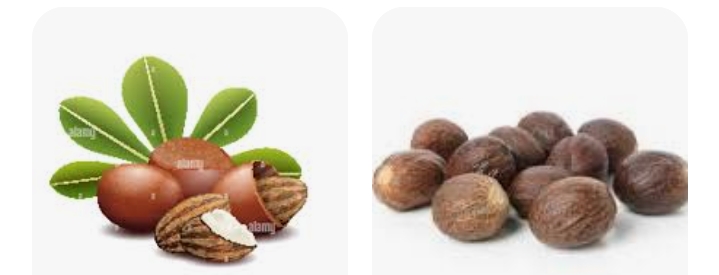
The Federal Government has reiterated that the ban on the export of raw shea nuts remains in force, describing the policy as a strategic move aimed at strengthening Nigeria’s agro-industrial sector and increasing local value addition.
Minister of State for Industry, Trade and Investment, Senator John Owan Enoh, made this known during the 18th Global Shea Alliance Annual Conference held in Accra, Ghana, where industry leaders, investors, and policymakers gathered to discuss the future of Africa’s shea industry.


According to the minister, Nigeria is determined to move away from the long-standing practice of exporting raw materials with minimal economic benefits and instead position itself as a leading global hub for shea processing, manufacturing, and innovation.
“Nigeria produces a significant share of the world’s shea nuts, but for too long we earned far less than the true value of what we produce. That narrative is changing,” Enoh declared.
The government first imposed a six-month ban on the export of raw shea nuts in August 2025 before extending the restriction for another year in February 2026 to encourage local processing and deepen industrial participation within the value chain.

Enoh maintained that the policy is deliberate and irreversible, stressing that Nigeria can no longer afford to export jobs, wealth, and industrial opportunities abroad through the shipment of unprocessed commodities.
He explained that the government is implementing measures to improve product quality, ensure traceability, attract investors, and empower women, who constitute the majority of workers in the shea sector.
“The continued growth of the global shea market presents Africa with a rare opportunity to capture greater economic value from its natural resources. Nigeria’s immediate priority is to expand local processing capacity and increase export earnings through finished and semi-finished products,” he said.
The minister added that the policy is already yielding positive results, including increased local processing activities, better returns for farmers, and rising investor confidence in the sector.
Beyond domestic reforms, Enoh noted that Nigeria is strengthening partnerships with other African countries to build a more competitive regional shea industry capable of competing favourably in global markets.
The conference also highlighted Nigeria’s growing influence within the global shea community as Ali Saidu, Chief Executive Officer of Salid Agricultural Ltd., emerged President of the Global Shea Alliance Executive Committee.
Other Nigerians inaugurated into the executive committee include Amaka Kolawole of AAK, Mohammed Kontagora of NASPAN, and Yosola Onanuga of TGI Group.
Enoh described their appointments as evidence of Nigeria’s rising leadership role in the international shea industry.
Nigeria’s delegation to the conference, which included Minister of Agriculture and Food Security, Abubakar Kyari, also held bilateral talks with Ghanaian President John Dramani Mahama and Vice President Jane Naana Opoku-Agyemang on regional trade cooperation, agro-industrial development, and strengthening backward integration within Africa’s shea value chain.
The delegation further comprised representatives from the Bank of Agriculture, Nigerian Investment Promotion Commission, NEXIM Bank, and key private sector operators in the shea industry.
As global demand for natural and sustainable products continues to rise, the Federal Government says Nigeria remains committed to transforming the shea industry into a major driver of economic diversification, export growth, and rural development.