
By: Jide Akinseye

As climate change continues to disrupt planting seasons, trigger floods and threaten food production across Nigeria, experts are warning that weather forecasts alone are no longer enough. The real challenge lies in ensuring that vital climate information reaches farmers in a language and format they can understand. In response, a coalition of civil society groups, agricultural associations and climate agencies has launched a nationwide initiative aimed at equipping grassroots farmers with practical climate knowledge ahead of the 2026 farming season.
Closing the Climate Gap for Nigeria’s Farmers.

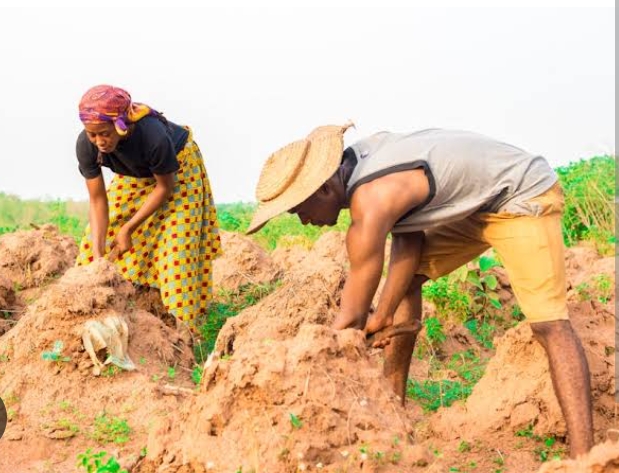
For many smallholder farmers across Nigeria, climate change is no longer a distant environmental concern discussed only in policy circles. It has become a daily reality reflected in unpredictable rainfall, prolonged dry spells, flooding, declining yields and rising food insecurity.
Yet, despite advances in climate science and seasonal weather prediction, many rural farmers still struggle to access or understand the information that could help them prepare for these changing conditions.
This challenge has now taken centre stage as the Human and Environmental Development Agenda (HEDA Resource Centre) warns that the disconnect between climate science and practical farming remains one of Nigeria’s most overlooked development problems.
To tackle the situation, HEDA Resource Centre, in collaboration with the Nigerian Meteorological Agency (NiMet), the Country Women Association of Nigeria (COWAN), the Nigerian Association of Women in Agriculture (NAWIA), and the Association of Small Scale Agro Producers in Nigeria (ASSAPIN), recently concluded a four-day hybrid training programme focused on the 2026 Seasonal Climate Prediction (SCP).


The initiative trained and sensitised more than 500 farmer leaders, extension officers, cooperative representatives and agricultural stakeholders across 17 states and the six geopolitical zones of the country.
Unlike many technical climate conferences often confined to urban centres and academic discussions, the programme was designed to translate complex climate predictions into practical knowledge that farmers can immediately apply to their farming activities.
Participants were guided on how weather forecasts can influence planting calendars, crop selection, flood preparedness, livestock management, fisheries planning and post-harvest handling.
The organisers noted that empowering farmers with such knowledge has become increasingly important as climate-related disruptions continue to threaten Nigeria’s agricultural productivity and rural livelihoods.
One of the major strengths of the programme was its emphasis on inclusiveness and accessibility.
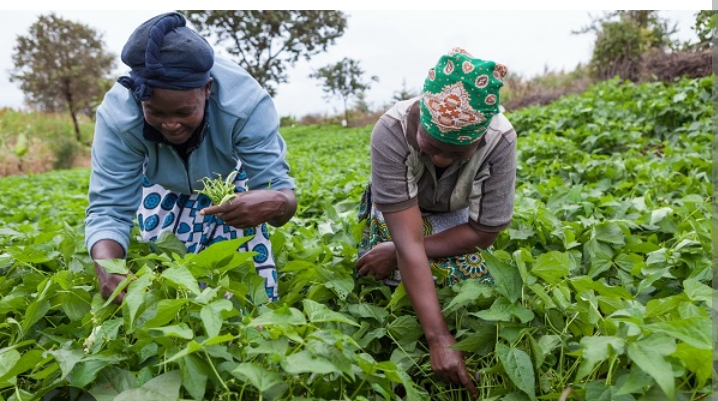
Although the sessions were conducted virtually, local partners mobilised participants in different states and gathered them in community centres where they jointly followed the training. This ensured that farmers without smartphones, internet access or digital literacy were not excluded.
The sessions also broke language barriers by delivering climate information in local languages such as Yoruba, Hausa, Igbo and Pidgin English, making it easier for rural farmers to understand and relate with the forecasts.
States covered during the training included Adamawa, Bauchi, Niger, Kaduna, Oyo, Osun, Kwara, Lagos, Ogun, Benue, Nasarawa, Imo, Abia, Cross River, Bayelsa, Plateau and Taraba.
Participants ranged from crop farmers and livestock keepers to fisheries operators, researchers, extension agents and officials of state Ministries of Agriculture.
The programme further encouraged trained participants to return to their communities and share lessons with fellow farmers, thereby expanding awareness of climate-smart agricultural practices ahead of the 2026 planting season.
Speaking on the importance of the initiative, HEDA Executive Secretary, Sulaimon Arigbabu, stressed that climate information becomes meaningful only when those most affected can understand and apply it effectively.
According to him, many farmers remain vulnerable because critical weather forecasts often fail to reach them in simple and practical forms.
He explained that the training was designed not only to provide climate information but also to bridge the communication gap between scientific predictions and local farming realities.
“Climate information is only useful when the people most affected can understand and apply it. This training is our commitment to closing that gap, not just in English, but in local languages such as Yoruba, Igbo, Hausa and Pidgin which our farmers speak and understand,” he said.
Beyond the training itself, HEDA is now calling on state governments and agricultural institutions to sustain the momentum by expanding climate awareness campaigns at the grassroots level.
The organisation urged Ministries of Agriculture across the 36 states to work closely with NiMet in localising climate predictions for specific agricultural zones and disseminating the information through community radio stations and local communication networks.
The group also appealed to the Federal Government to strengthen extension services and invest more in community-based climate information systems capable of reaching remote farming populations.
According to stakeholders, building resilience in agriculture will require more than policy statements and seasonal forecasts. It will depend largely on whether farmers can access timely, understandable and actionable information that helps them make informed decisions in the face of changing climate conditions.
As Nigeria grapples with rising food prices, environmental challenges and increasing pressure on food systems, initiatives such as this may prove critical in helping farmers adapt, reduce losses and sustain national food production in the years ahead.