



By Jide Akinseye

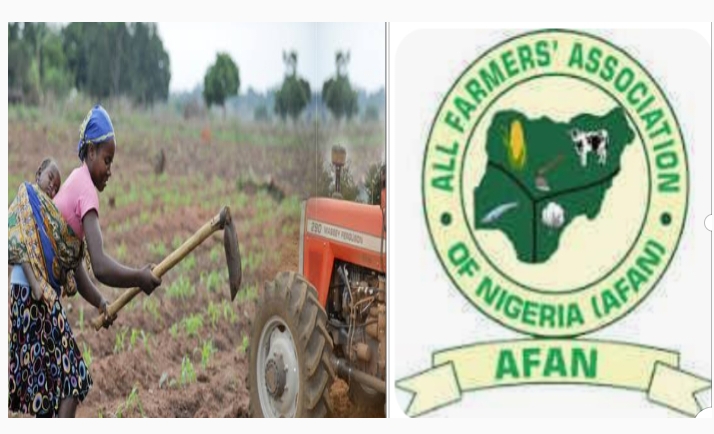
The Kwara State Government has intensified efforts to boost food security and strengthen climate-smart agriculture through renewed collaboration with the All Farmers Association of Nigeria (AFAN) and key agricultural stakeholders. The partnership focuses on mechanised farming, environmental sustainability, and increased inclusion of women in agricultural development programmes across the state.
The Kwara State Government has reinforced its commitment to agricultural transformation through a strengthened partnership with the All Farmers Association of Nigeria (AFAN) and other key stakeholders, aimed at advancing mechanised farming, environmental sustainability, and inclusive participation in agriculture across the state.

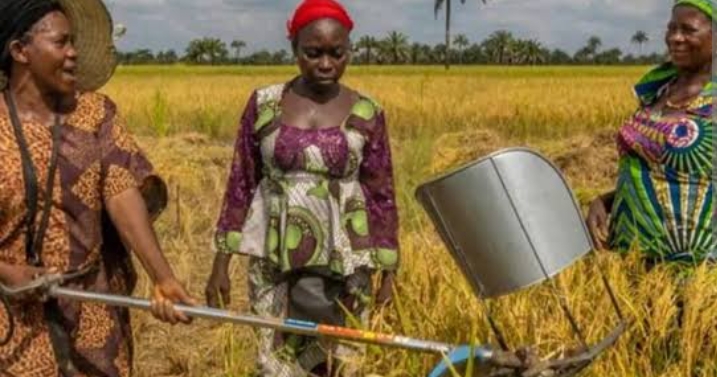
The renewed collaboration was highlighted during a courtesy visit by the leadership of AFAN in Kwara State to the Kwara State Agro-Climatic Resilience in Semi-Arid Landscapes (KWACReSAL) office in Ilorin.
According to a statement issued by the Communication Officer of KWACReSAL, Okanlawon Taiwo, the engagement underscored ongoing efforts by the state government to deepen agricultural productivity while addressing climate-related challenges affecting farming communities.
Speaking at the meeting, the State Project Coordinator of KWACReSAL, Shamsideen Aregbe, reaffirmed government’s support for farmers, stressing that mechanisation remains central to achieving food security and improved agricultural output.
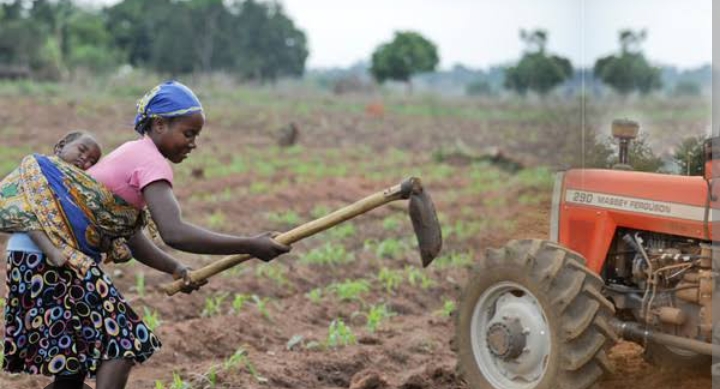
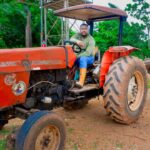
He noted that access to modern farming equipment such as tractors is critical to increasing productivity and reducing the burden of manual farming, particularly in the face of growing food demand.
“Tractorisation remains a critical component of modern agriculture. Access to farming equipment is essential for increasing productivity and addressing food security challenges across the state,” Aregbe said.
He explained that the tractor support initiative, introduced under a World Bank-supported programme and aligned with federal directives, was designed to strengthen mechanised agriculture and improve farmers’ capacity across rural communities.
Aregbe also acknowledged concerns raised over operational challenges affecting some of the tractors distributed, assuring stakeholders that assessments were ongoing to determine their condition and ensure effective utilisation.
He further emphasised the importance of sustained engagement with farming communities, particularly in addressing issues such as flooding, logistics constraints, and food security vulnerabilities.
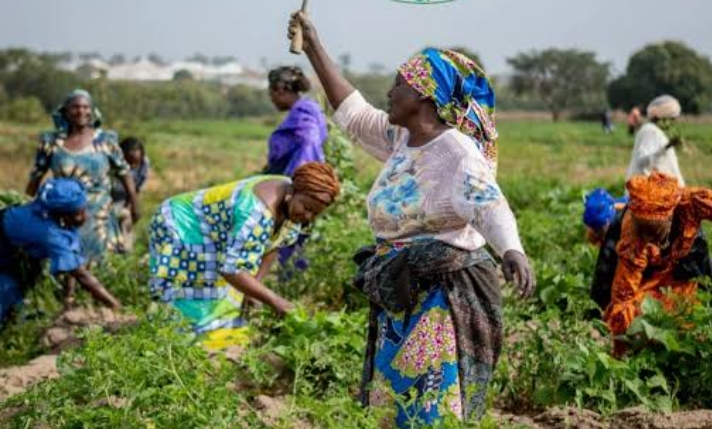
In addition, the KWACReSAL coordinator stressed the importance of gender inclusion in agricultural programmes, describing women’s participation as a non-negotiable priority in the state’s agricultural agenda.
“The inclusion of women is not negotiable. We must continue to encourage and support women to actively participate in agricultural programmes and leadership processes,” he stated.
Earlier, the Chairman of AFAN in Kwara State, Shuaib Ajibola, commended KWACReSAL for its interventions in the agricultural sector, describing the partnership as a positive step toward strengthening farmers’ welfare and environmental sustainability.
Ajibola disclosed plans by the association to launch an agricultural expo and stakeholder engagement programme across the state, designed to reconnect farmers and expand agricultural outreach at the grassroots level.
He also raised concerns over land use disputes affecting farming communities, warning that unresolved land-related tensions were creating anxiety among farmers and potentially disrupting agricultural activities.
“There is a need for sustained stakeholder dialogue and engagement to resolve disputes and ensure peaceful farming activities across communities,” he said.
Also speaking, the Project Coordinator of AFAM, AbdulRahman Babatunde, praised KWACReSAL for its support to farmers, particularly in the provision of agricultural inputs and mechanised farming support.
He noted that farmers who participated in previous interventions had benefited significantly, particularly from input support schemes that enhanced productivity across farming communities.
In her remarks, the AFAM Women Leader, Sherifat Ibrahim, called for stronger empowerment initiatives and technical training programmes targeted at rural women to enable greater participation in mechanised agriculture.
She stressed the need for gender-friendly agricultural systems and practical training to make mechanised farming more accessible to women and young farmers.
Meanwhile, the Environmental Safeguards Officer of KWACReSAL, Mr. Abubakar Mohammed, reiterated the project’s commitment to environmental protection, gender equality, and effective grievance management across all agricultural interventions.
The renewed collaboration reflects the Kwara State Government’s broader strategy to strengthen food production systems, promote climate-smart agriculture, and deepen partnerships with farmer associations and development agencies in addressing emerging agricultural challenges.