



By Jide Akinseye

The Federal Government of Nigeria is betting on a massive livestock sector overhaul to drive agricultural recovery, boost protein supply, and strengthen economic stability over the next decade.
The country is there setting its sights on a bold agricultural transformation, with the Federal Government unveiling plans to nearly double the value of the country’s livestock industry to $74bn by 2035.
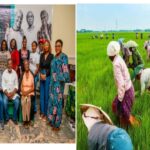
The ambitious target was disclosed at the ninth edition of the Vanguard Economic Discourse held at the Civic Centre in Lagos, where policymakers, development partners and industry stakeholders gathered to chart a pathway for agricultural recovery.
The initiative forms a core component of a broader national strategy aimed at repositioning agriculture as a key engine of growth, particularly as the country faces mounting food inflation and widespread hunger.
Representing the Minister of Livestock Development, Idi Maiha, his Special Adviser, Eustace Iyayi, outlined a comprehensive 10-pillar livestock transformation plan designed to grow the sector’s value from its current estimate of $32bn to $74bn within the next decade.
According to Iyayi, the renewed focus on livestock is not incidental but strategic, given agriculture’s enduring role in Nigeria’s economy. The sector contributes between 24 and 26 per cent of the nation’s Gross Domestic Product and employs nearly 40 per cent of the workforce. Yet, despite this prominence, food insecurity remains a persistent national challenge.
The urgency of reform was underscored by grim statistics presented at the forum. More than 25 million Nigerians are currently at risk of acute food insecurity, while food inflation has surged above 30 per cent in recent times, severely eroding household purchasing power and deepening poverty.
The livestock sector, which accounts for between five and eight per cent of GDP and roughly one-third of total agricultural output, is seen as a critical lever in reversing these trends. Beyond its economic contribution, stakeholders emphasised its importance in addressing widespread protein deficiency.
Iyayi noted that Nigeria’s average per capita animal protein consumption stands at just 7 to 10 grams per day—far below the recommended minimum of 20 grams—highlighting a significant nutritional gap with implications for public health and productivity.
The discourse, themed “Food Security and Socio-economic Stability: Options for Nigeria’s Agriculture Sector Rebound,” also drew participation from global development institutions such as the Food and Agriculture Organization and the International Fund for Agricultural Development, reinforcing the international dimension of Nigeria’s food security challenge.
With the livestock transformation plan now on the table, expectations are high that coordinated investments, policy consistency, and private sector participation will be mobilised to unlock the sector’s full potential.
However, analysts caution that translating ambition into impact will depend on effective implementation, improved security in rural areas, and sustained support for farmers across the value chain.