




By Lanre Shodimu

A policy intended to ease food inflation is now stirring fresh anxiety across Nigeria’s agricultural sector, as local rice farmers warn that a surge in imports is undermining years of investment in domestic production.
By Lanre Shodimu
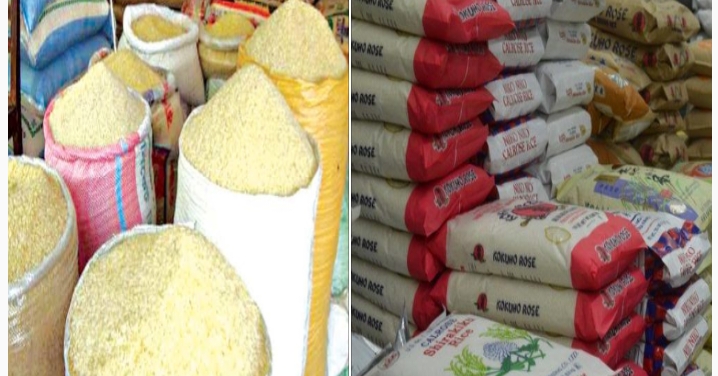
Legit news reports that local rice farmers across Nigeria are raising urgent concerns over a sharp drop in market prices, triggered by an influx of imported rice that is rapidly eroding the competitiveness of domestic production.
In interviews conducted in Lagos on April 19, 2026, several farmers described a worsening situation in which the price of a 50kg bag of rice has fallen by as much as ₦13,000. The sudden decline, they say, is directly linked to the Federal Government’s 2024 import duty waiver on rice and other essential commodities—a measure originally introduced to cushion the impact of rising food costs.

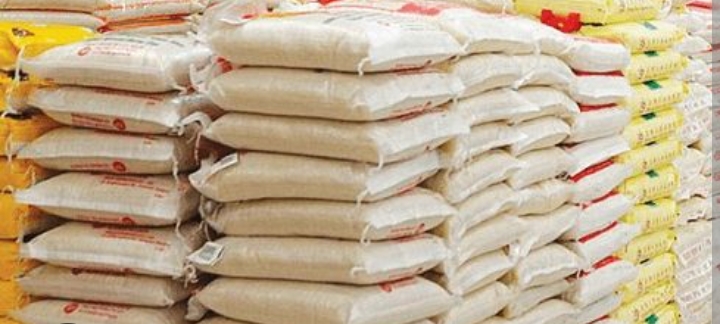
The report stated that while the policy has succeeded in increasing supply and moderating prices for consumers, its unintended consequences are now becoming evident in farming communities. Producers argue that the market is being flooded with cheaper imported alternatives, leaving locally produced rice struggling to find buyers.
For many farmers, the implications go beyond short-term losses. The price crash is disrupting production cycles, discouraging reinvestment, and threatening the sustainability of rice farming as a viable livelihood. Some warn that if the trend continues, Nigeria risks reversing gains made toward self-sufficiency in rice production.
The timing is particularly critical, as the planting season approaches. Farmers say uncertainty over returns is already affecting decisions on acreage and input purchases, raising fears of reduced output in the coming months.
Stakeholders are now calling for a more balanced approach—one that protects consumers from high prices without sacrificing the long-term stability of local agriculture. Suggested measures include targeted support for farmers, stricter import controls, and incentives to boost competitiveness within the domestic value chain.
As the debate continues, the situation underscores a broader challenge facing policymakers: how to manage immediate food security concerns while safeguarding the future of local production.