




By Lanre Shodimu

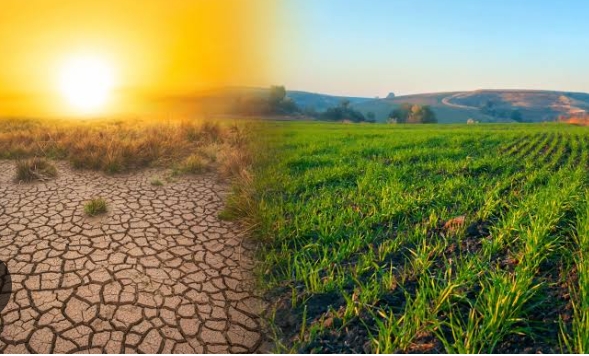
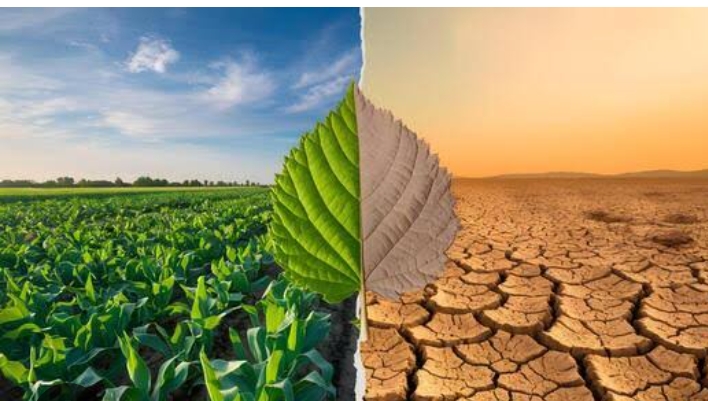
Nigeria’s economic future may be increasingly shaped by forces beyond fiscal policy and oil prices, as climate change emerges as a looming threat to national prosperity. Experts now warn that intensifying environmental disruptions could shave as much as eight per cent off the country’s Gross Domestic Product (GDP) by the end of the century.
This stark projection formed the backdrop of discussions at a one-day Environmental, Social and Governance (ESG) and sustainability training for editors and journalists, organised by Harley Reed Nigeria. The session brought together media professionals and sustainability experts to examine the growing intersection between climate risks, economic stability, and corporate accountability.
At the heart of the concern is the increasing frequency and severity of extreme weather events across Nigeria. Rising temperatures, prolonged heatwaves, and more intense rainfall patterns are already contributing to recurrent flooding in many parts of the country.These

events, experts noted, are not only displacing communities but also placing a heavy burden on public finances through rising disaster relief costs and increased dependence on imports.
Further compounding the risk is the threat of rising sea levels, which could cost Nigeria between 0.1 and 0.4 per cent of its GDP annually. For a country with an extensive coastline and densely populated coastal cities, the long-term implications are significant.
Speaking during the training, Agatha Afemikhe, Assistant Manager, Risk and Disclosures at Harley Reed Nigeria, underscored the urgency of addressing these risks through stronger ESG compliance and reporting. She described ESG not as a voluntary corporate gesture, but as a core economic requirement shaping global investment decisions.
“Companies that fail to align with ESG expectations risk losing access to capital, facing regulatory sanctions, and suffering reputational damage,” she said. “At a country level, this translates into reduced foreign investment and slower economic growth.”
Afemikhe stressed that Nigeria must strategically position itself within the evolving global sustainability framework or risk being sidelined by investors increasingly guided by environmental and governance metrics. According to her, transparency and accountability in ESG reporting are now critical determinants of investor confidence and market valuation.
She also highlighted the pivotal role of the media in this transition. Journalists, she noted, must go beyond surface-level reporting and interrogate sustainability claims to ensure they reflect genuine compliance.
“The media plays a powerful role in interpreting ESG issues. If sustainability reporting is weak or misleading, it affects how investors see the country,” she said.
A key concern raised during the training was the rise of “greenwashing,” where organisations exaggerate their environmental credentials, and “greenhushing,” where firms deliberately withhold sustainability information. Both practices, experts warned, undermine transparency and distort investor perception, making rigorous journalism more essential than ever.
Beyond environmental challenges, the discussions also spotlighted persistent social and governance issues across Africa. High levels of informal employment, corruption, gender inequality, and child labour continue to hinder sustainable development. Data shared at the event indicated that over 85 per cent of workers on the continent operate without formal protections, while corruption accounts for an estimated $148 billion in annual losses.
Case studies presented further illustrated the real-world consequences of ESG failures. From oil spills in the Niger Delta to labour abuse allegations in agribusiness and corruption probes in South Africa, the examples underscored how weak governance and poor oversight can trigger reputational damage, regulatory sanctions, and financial losses.
The training, organisers said, is part of broader efforts to prepare Nigeria for a transition to mandatory sustainability disclosures expected by 2028, with small and medium-sized enterprises to follow by 2030. It also aims to spark a national conversation on sustainability and strengthen the media’s watchdog role in holding institutions accountable.
As climate pressures intensify and global investment standards evolve, the message from the forum was clear: Nigeria’s economic resilience will depend not only on policy reforms but also on how effectively it integrates sustainability into its development agenda—and how rigorously those efforts are scrutinised.