
By: Simeon Shodimu

As Africa seeks billions of dollars to transform its agricultural sector and strengthen food security, a growing coalition of civil society organisations is calling for a fundamental rethink of how development finance is allocated. The groups argue that investments in industrial livestock production may undermine long-term sustainability goals, and are urging the African Development Bank to champion agroecological approaches that protect biodiversity, support rural communities, and build resilience against climate change.
Civil society groups are urging the African Development Bank to redirect agricultural financing toward sustainable, community-based food systems, warning that industrial livestock production could worsen environmental degradation and public health risks across Africa.

As African leaders convened in Brazzaville for the African Development Bank (AfDB) Annual Meetings 2026, a coalition of civil society organisations brought a pressing concern to the forefront of discussions on agricultural transformation as the future direction of agricultural finance on the continent.
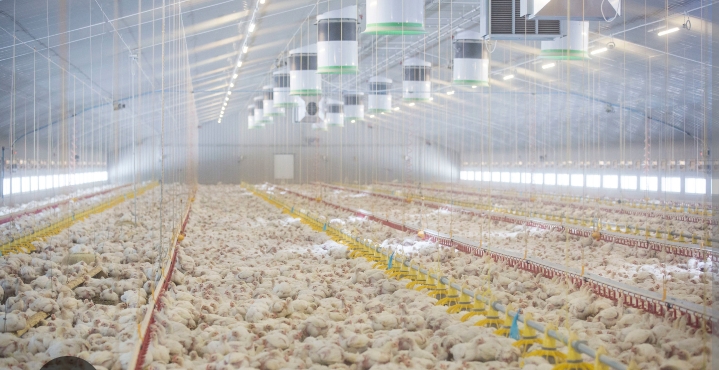
The Stop Financing Factory Farming Coalition has called on the AfDB to halt financing for industrial livestock production systems that it says are linked to environmentally harmful land conversion, excessive water use, biodiversity loss, and growing public health concerns. Instead, the coalition is advocating increased investment in agroecological and climate-resilient farming systems that empower smallholder farmers, women producers, pastoralists, Indigenous peoples, and local communities.
The appeal comes at a critical moment for African agriculture. With climate change intensifying droughts, floods, and other weather-related shocks, governments and development institutions are under increasing pressure to invest in food systems capable of ensuring both productivity and sustainability.
According to the coalition, the issue extends beyond increasing agricultural output. It is fundamentally about determining which food systems will shape Africa’s future and receive support through public development finance.
Policy and Campaign Coordinator of the coalition, Opeyemi Elujulo, said decisions being made today will have lasting consequences for the continent’s agricultural landscape.
“The financing decisions made now will influence whether Africa’s food future is centred on resilient local food systems, biodiversity protection, sustainable water use, and community wellbeing, or increasingly concentrated industrial models that deepen environmental and economic vulnerabilities,” Elujulo stated.
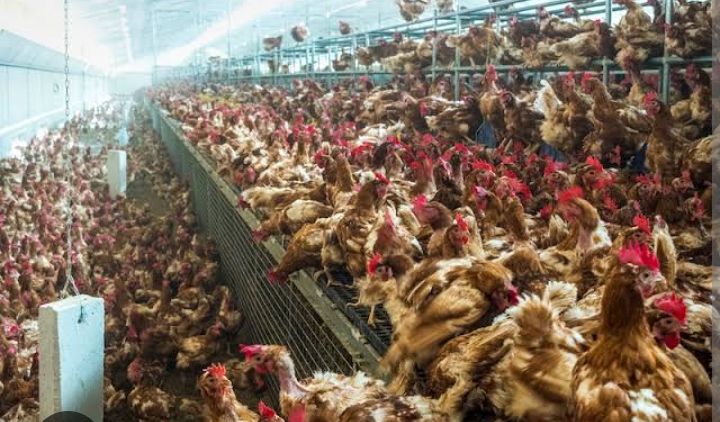
The coalition argues that development finance institutions such as the AfDB play a decisive role in shaping land use patterns, rural economies, and agricultural production systems. As a result, it says financing choices must be carefully aligned with sustainability objectives and the needs of local communities.
The AfDB’s flagship Feed Africa strategy estimates that between $315 billion and $400 billion will be required over a decade to transform agriculture across the continent. The Bank has committed approximately $24 billion while seeking to mobilise additional investments from public and private sources.
A major component of the strategy involves value chain development, agro-industrialisation, livestock production, private-sector participation, and blended finance mechanisms designed to attract investors. Programmes such as the Special Agro-Industrial Processing Zones initiative have already demonstrated the Bank’s commitment to scaling agricultural investments.
However, critics fear that without stronger environmental and social safeguards, increased financing could unintentionally accelerate the expansion of industrial livestock systems associated with environmental degradation.
Executive Director of Food Justice Network, Roselilly Ushewokunze, stressed that agricultural financing must support food sovereignty and community resilience rather than simply increasing production volumes.
“Development finance decisions made today shape agricultural systems, land use, and rural economies across the continent for decades,” she said. “Agricultural finance must therefore be designed to scale food systems that strengthen food sovereignty, climate resilience, biodiversity, and community wellbeing while supporting locally rooted and sustainable food systems.”
The coalition’s concerns are rooted in global evidence linking intensive livestock production to rising greenhouse gas emissions, deforestation, water pollution, biodiversity loss, and animal welfare challenges. It also highlighted growing concerns about the widespread use of antimicrobial drugs in industrial livestock operations.
Studies conducted across several African countries between 2015 and 2019 estimated antimicrobial consumption at between 3,558 and 4,279 tonnes. The coalition warns that continued expansion of industrial livestock production could drive further antimicrobial use, potentially contributing to antimicrobial resistance, a major global public health threat.
Environmental advocate Salome Kahiu noted that the risks are not always direct but can emerge through investment models that prioritise rapid expansion, export competitiveness, vertical integration, and economies of scale.
“Harmful impacts can emerge indirectly through investment strategies that prioritise rapid production growth, export competitiveness, vertical integration, and economies of scale without fully accounting for environmental sustainability, public health, animal welfare, water use, biodiversity protection, or impacts on smallholder livelihoods,” she said.
The debate reflects a broader conversation taking place across Africa as governments seek to balance food security, economic growth, environmental protection, and climate resilience. While few dispute the need for increased investment in agriculture, there is growing disagreement over what forms of agriculture should receive priority support.
For the coalition, the challenge is not simply how much money is invested in African agriculture, but where that money goes and whose interests it serves. As climate pressures, food insecurity, debt burdens, and ecological decline continue to intensify, advocates argue that development finance must be directed toward farming systems capable of sustaining both people and the environment.
The outcome of these discussions could have far-reaching implications for Africa’s agricultural future, influencing how food is produced, who benefits from agricultural growth, and how effectively the continent responds to the interconnected challenges of climate change, biodiversity loss, and food insecurity.