




By Simeon Shodimu

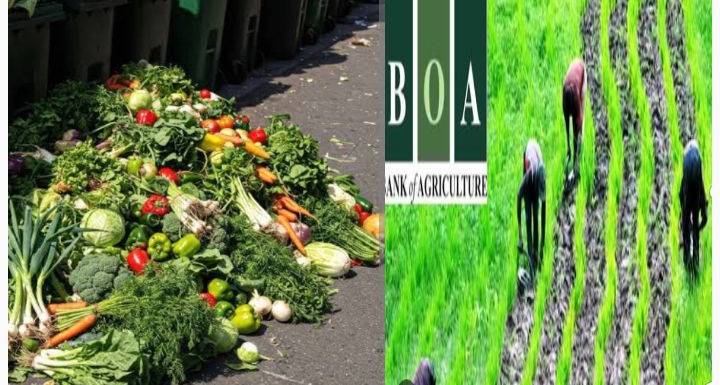
In the mist growing security challenges posed by banditry and terrorism, Nigeria’s post harvest losses has becoming a growing concern to stakeholders. The Bank of Agriculture (BoA) has recently disclosed that between 30 and 40 million metric tonnes of food are lost in Nigeria before reaching consumers.
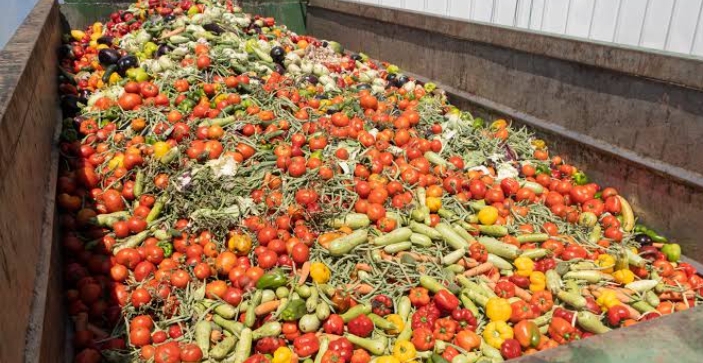
The bank also also estimated Nigeria post harvest loses to about N3.5 trillion annually to blaming poor access to reliable energy and inadequate cold-chain infrastructure for the huge economic losses across the agricultural value chain.The bank, highlights fruits and vegetables as accounting for 40-50% of total losses.It further indicated that about 50 per cent of the onion harvest is lost annually due to the lack of cold-chain facilities. In comparison, over 40 per cent of post-harvest losses are directly linked to energy poverty.The bank made this known in Kaduna during its two-day workshop on the Clean Energy Access Framework (CEAF), organised in partnership with DalaHill LP and supported by the Africa Climate Foundation (ACF), to strengthen the bank’s capacity to finance clean energy solutions for agriculture.

Presenting the framework in Kaduna, Head of the Clean Energy Delivery and Implementation Unit (CEDIU) at the Bank of Agriculture, Dr Adnan Aminu, said the country’s energy deficit has become a major obstacle to agricultural productivity, food security, and rural economic development.According to figures presented at the workshop, “Nigeria loses an estimated ₦3.5 trillion annually—equivalent to between $2.3 billion and $3.3 billion—to post-harvest losses”“Without certified cold-chain systems, Nigeria will continue to struggle with food inflation, reduced farmer income and limited export competitiveness,” the presentation stated.Speaking with news men, Aminu said the Bank was developing a financing framework to enable farmers and agribusinesses to access loans for clean energy technologies that could reduce these losses.Also speaking, Project Manager at DalaHill LP, Toby Ilori, said the project was conceived to help bridge the gap between climate finance and agriculture by providing the technical and legal frameworks required to unlock investments.Ilori said “Nigeria has enormous agricultural potential, but energy challenges continue to affect production, processing, storage and exports. This initiative is designed to provide practical solutions that will enable the country to harness available climate finance to transform the agricultural sector,” The Head of Strategy and Performance Management at the Bank of Agriculture, Ogaruwu Anselm, said clean energy financing would expand access to funding while supporting environmentally sustainable farming practices.