





By Jide Akinseye

As global demand for shea-based products continues to rise, Nigeria is recalibrating its strategy to move beyond raw commodity exports toward value-driven industrialisation. At a major international summit in Ghana, government officials signalled a decisive push to unlock jobs, deepen local processing, and secure a larger share of the multi-billion-dollar shea market.
Nigeria Eyes Value Chain Dominance at Shea 2026 Summit
Nigeria has intensified its drive to capture greater value from the global shea industry, positioning itself for leadership at Shea 2026 held in Accra, Ghana.
The summit, convened by the Global Shea Alliance from April 27 to 29, 2026, has drawn governments, private investors, and development partners seeking to redefine the future of the shea value chain through sustainability, trade coordination, and industrial growth.
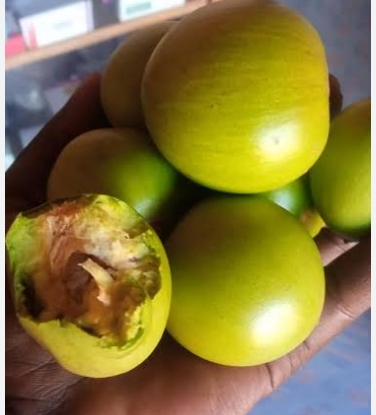
In a statement issued by the Presidential Food Systems Coordinating Unit (PFSCU), Nigeria outlined its ambition to transition from being merely the world’s largest producer—accounting for roughly 40 per cent of global shea nut supply—to becoming a dominant force in value-added production.
Leading Nigeria’s delegation are the Minister of Agriculture and Food Security, Abubakar Kyari, and the Minister of State for Industry, Trade and Investment, John Owan Enoh, reflecting the Federal Government’s broader push under the Renewed Hope Agenda of President Bola Tinubu.


Speaking at the summit, Enoh underscored the urgency of reversing Nigeria’s long-standing dependence on exporting raw shea nuts while importing finished goods.
“The era of exporting raw nuts while importing finished products must come to an end. The future lies in industrialisation, value addition and regional integration,” he said.
The conference was formally declared open by Ghana’s Vice President, Jane Nana Opoku-Agyemang, who called for stronger collaboration among producing countries to drive investment, sustainability, and equitable growth across the sector.
Nigeria’s renewed engagement is anchored on agro-industrialisation, with a strategic focus on expanding domestic processing capacity, creating employment opportunities, and strengthening its foothold in global markets. Officials say reforms under the Nigeria Industrial Policy are already targeting improved market systems and increased investment in value-added production.
With millions of livelihoods tied to the shea ecosystem across West Africa, stakeholders at the summit agree that Nigeria’s shift toward processing and industrial scale participation could redefine the continent’s role in the global shea economy.