



Simeon Shodimu

Amid rising food prices and persistent supply disruptions, Nigeria’s lawmakers are moving to strengthen the country’s food security architecture through a proposed institutional framework designed to manage strategic reserves and respond swiftly to emergencies.
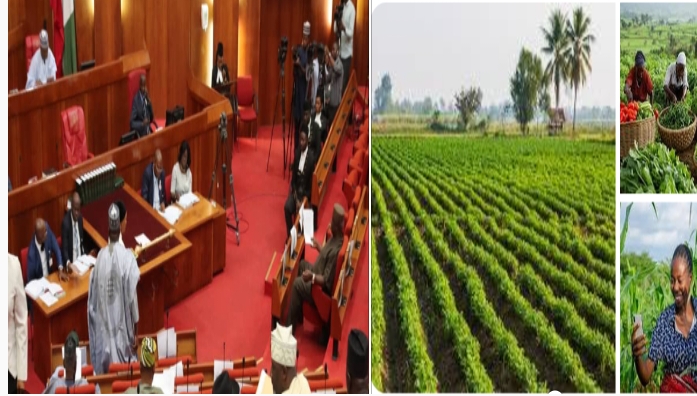
A renewed legislative effort to bolster Nigeria’s food security framework gathered pace on Tuesday as a bill seeking to establish a National Food Reserve Agency progressed at plenary in the Senate.
The development followed the presentation of the report of the Senate Committee on Agriculture and Rural Development on the National Food Reserve Agency (Establishment) Bill, 2026 (SB 139), marking a critical step toward institutionalising a coordinated system for managing the nation’s food reserves.

The bill, sponsored by Senator Salihu Mustapha, who represents Kwara Central and chairs the committee, proposes the creation of a structured mechanism for the storage, management, and distribution of strategic food reserves. The initiative is aimed at cushioning the effects of food shortages and responding effectively to emergencies across the country.
Presenting the report, Mustapha said the proposed agency would strengthen Nigeria’s food security by ensuring efficient handling of reserves while improving preparedness for unforeseen supply disruptions.
According to him, the agency would function as a buffer against food shortages by maintaining a strategic grain reserve that can be deployed swiftly during national emergencies, including natural disasters, conflicts, and periods of market instability.

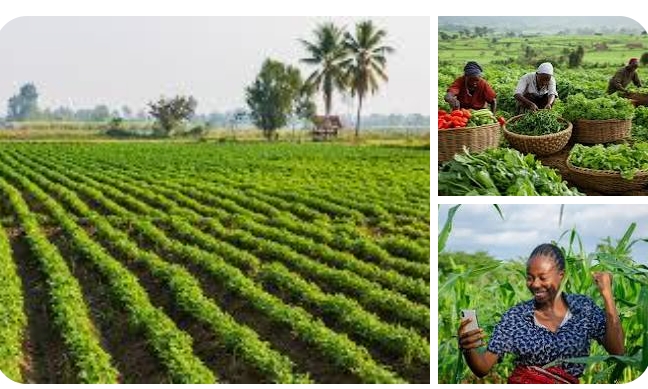
Nigeria’s agricultural sector has faced mounting challenges in recent years, ranging from insecurity in key food-producing regions to climate-related disruptions such as flooding and erratic rainfall. These factors, alongside rising costs of farm inputs, have continued to strain production and weaken supply chains.
The cumulative impact has been reflected in persistent increases in food prices, reduced access to affordable staples for households, and growing concerns over the country’s capacity to achieve sustainable food security without stronger institutional backing.
Mustapha expressed optimism that the passage of the bill would mark a turning point, noting that it could reduce dependence on food imports while promoting greater self-sufficiency in agricultural production.
If passed into law, the proposed National Food Reserve Agency is expected to play a central role in stabilising food supply and safeguarding the country against future shocks in the agricultural sector.