



By Simeon Shodimu

Northern Nigeria is highly associated with livestock development, such as animal husbandry and cattle rearing.
Though the insecurity in the north affected this segment of agriculture, the need for importation of these animals from neighbouring Niger Republic often become necessary especially during the festive seasons.
Taking Kano for example, the dusty villages in Kano State, just like other core northern states, cattle rearing is the major livestock farming, considered as symbols of wealth, food security, and social status.
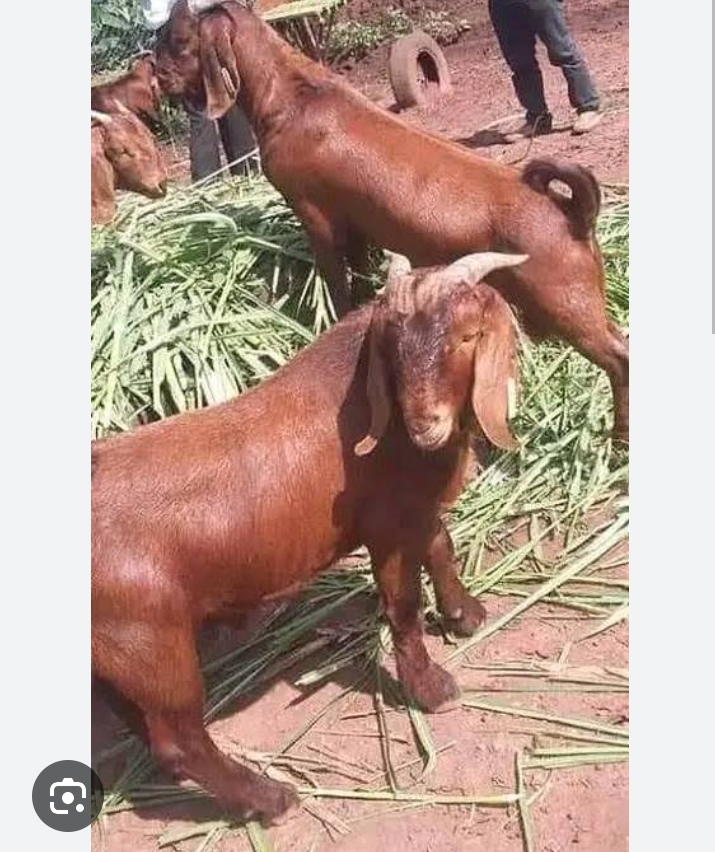
Unlike southern Nigeria where goat rearing has become the major livestock farming occupation , rearing of goats in Northern Nigeria is a silent revolution that is fast gaining traction .
It’s rare, foreign-bred goats, turning small-scale farmers into high-value livestock entrepreneurs almost overnight.
For decades, goats were the underdogs of livestock farming, mostly raised for home consumption or modest income. Today, exotic breeds like the Saanen, Damascus, and Gulabi goats are commanding attention, and eye-watering prices, from wealthy buyers, commercial breeders, and livestock enthusiasts across Nigeria and beyond.
A life stock farmer, Malam Sunusi Ali Musa, says he stumbled into the trade by accident. “We started with luxury birds and noticed that people were really interested in unusual animals,” he recalls. “Exotic goats weren’t meant to be a business at first, it was passion.” His first investment? Saanen goats from the Middle East, prized for their extraordinary milk yield and adaptability. Some buyers prize the milk for its medicinal properties, while others simply display the goats as status symbols.
With this, Malam Isma’ila Ahmad, another breeder, points to the Damascus goat as the hottest commodity. “They thrive in high temperatures, produce premium-quality meat, and adapt well to the plains,” he says. Ahmad also highlights the Gulabi, a striking all-white breed from Pakistan with pink skin and long drooping ears. “These are luxury animals and people keep them to signal wealth and prestige.”
It’s indeed an herculean task sourcing sourcing these breeds as most breeders rely on informal African trade routes through Libya and Niger, with large-scale imports limited by finances. Still, the returns are undeniable: Weekend Trust reports that a pair of Damascus goats can sell for as much as N3.5 million, while a single Gulabi can fetch up to N3 million.
Others like Alhaji Usman Baba Gara are of the opinion that the market is one of Kano’s fastest-growing livestock segments.
It is indeed impressive when he said;
“Profits are encouraging, and more farmers are joining every day,” he notes. Yet, he cautions, the lack of formal regulation is a concern. Without proper quarantine oversight, imported animals, and local herds, face serious disease risks. Veterinary experts echo this warning, calling for structured regulations to protect animal health and boost investor confidence.
Kano is indeed experiencing a booming livestock market, and fast becoming a multi-million-naira industry, sustaining, livestock farming in northern Nigeria .