




By Lanre Shodimu

At the 49th Session of the International Fund for Agricultural Development (IFAD) Governing Council has concluded in Rome, Nigeria is took the prominent leadership role in advancing global agricultural development priorities, particularly strategic investment in youth and women.
It’s a biennial meeting, themed “From Farm to Market: Investing in Young Entrepreneurs,” underscored the growing recognition of young people as critical drivers of job creation, innovation, and inclusive economic growth across global food systems.
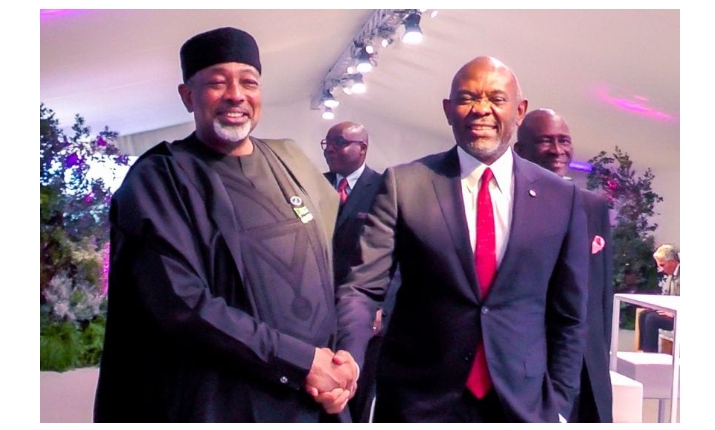
The session opened with the election of Nigeria’s Minister of Agriculture and Food Security, Senator Abubakar Kyari, as Chairperson of the IFAD Governing Council.
Having previously served as Vice Chair, his emergence as Chairperson reflects the strong confidence reposed in Nigeria by Member States, recognising the country’s constructive engagement and leadership in promoting global food security.
In his acceptance remarks, Senator Kyari expressed deep appreciation to Member States for the trust placed in him, pledging to serve with humility, diligence, and a strong commitment to improving the livelihoods of rural women and men across the world.
Addressing delegates during the session, the Chairperson emphasised that prioritising youth and women in agriculture is key to unlocking economic opportunities, accelerating innovation, and driving inclusive growth. He noted that such investments would ultimately strengthen global food systems while helping to reduce hunger and poverty.
Senator Kyari also commended President Bola Ahmed Tinubu for placing food security at the centre of Nigeria’s national priorities.
According to him, Nigeria’s leadership role at IFAD aligns with the President’s directive to boost agricultural productivity, expand economic opportunities for youth and women, and build resilient food systems capable of withstanding climate and market shocks.

The Minister however commended the IFAD Nigeria Country Office, led by Country Director Ms Dede Ekoue, for translating global development commitments into measurable outcomes for rural communities.
He highlighted the office’s role in strengthening agricultural value chains, empowering youth and women, and improving resilience among smallholder farmers nationwide.
As the conference closed, Nigeria reaffirmed its commitment to multilateral cooperation in tackling hunger and poverty, positioning itself as a responsible and forward-looking voice in global development discussions.
Key highlights of the 49th Session included a Centre Stage event featuring IFAD President Dr. Álvaro Lario and African entrepreneur Mr Tony Elumelu, who both emphasised the transformative role of young innovators in revitalising rural economies.
The session also recognised the critical contributions of women farmers to strengthening food systems, in line with the International Year of the Woman Farmer, while delegates identified water security and climate resilience as urgent priorities.
Participants called for increased strategic investment in irrigation systems and adaptive agricultural infrastructure to safeguard food production in the face of climate change.
The expected outcome of the Rome meeting are expected to provide a road map on IFAD’s policy direction and investment focus in the coming years, with particular emphasis on empowering young entrepreneurs and women farmers as central pillars of sustainable global food security.