



By: Simeon Shodimu

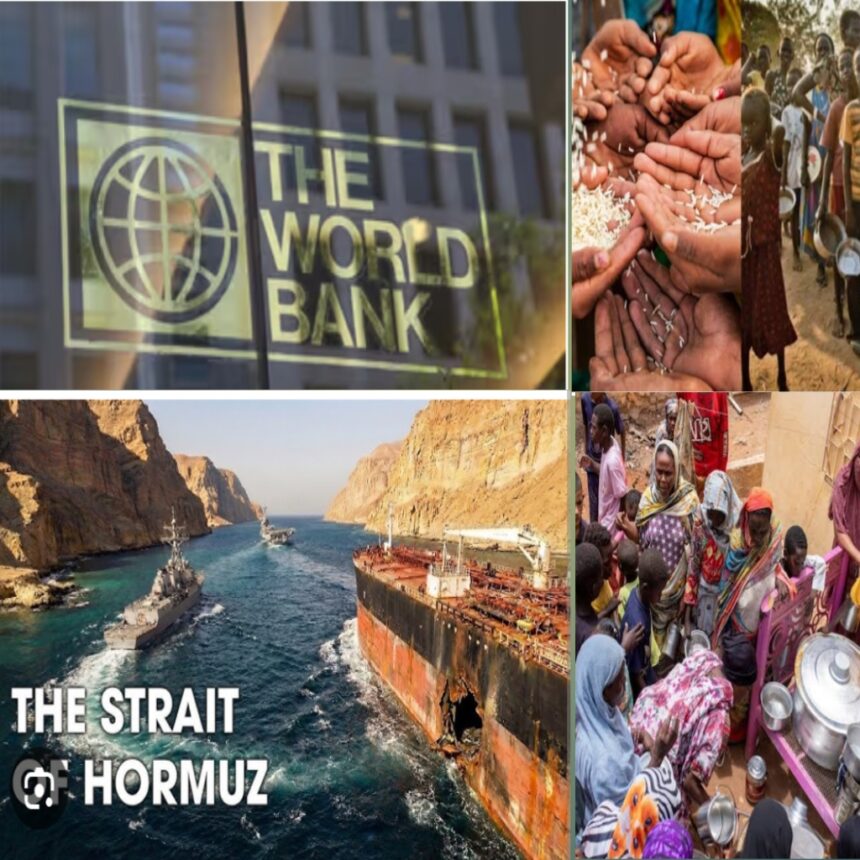
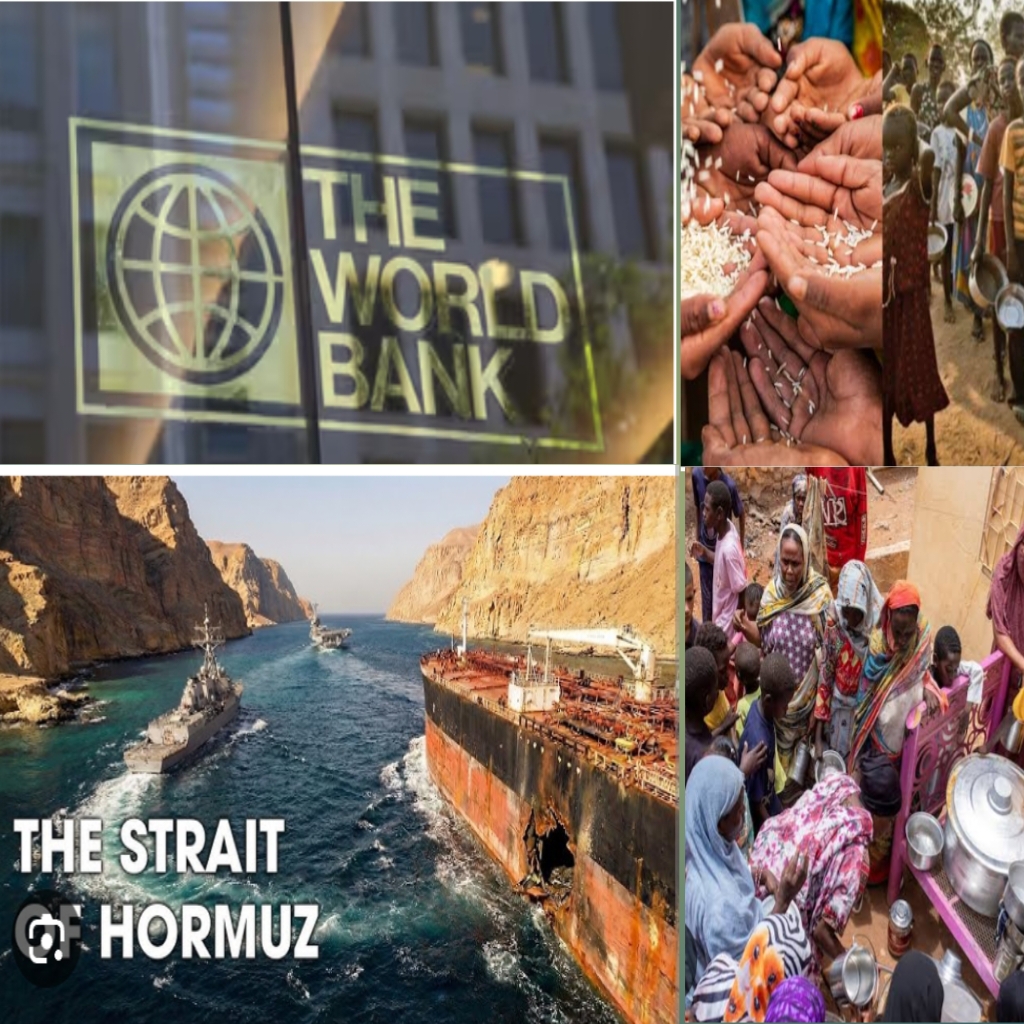
Fresh tensions in the Middle East and the near-total closure of the Strait of Hormuz have triggered renewed concerns over global food security, as rising energy costs and disrupted supply chains continue to push up prices of essential commodities. A new analysis by the World Bank reveals that global food prices climbed sharply in the aftermath of the conflict, with import-dependent nations facing mounting inflationary pressures and millions more at risk of acute hunger. The development has reignited fears of another global food crisis similar to the shockwaves experienced during the Russia-Ukraine war.
Global food markets are once again under pressure as escalating geopolitical tensions in the Middle East ripple across international supply chains, driving up the cost of staple commodities and deepening fears over food insecurity in vulnerable regions.
According to a recent analysis by the World Bank, global food prices rose by five per cent within two months following the near-total closure of the Strait of Hormuz after conflict erupted in late February 2026. The increase marks the highest level of food prices recorded since January 2024.
The report noted that oils and meals experienced the sharpest increase, surging by 10 per cent during the period. The rise was linked to higher crude oil prices and expanded biofuel blending mandates introduced in major economies such as Indonesia, Thailand, and the United States.
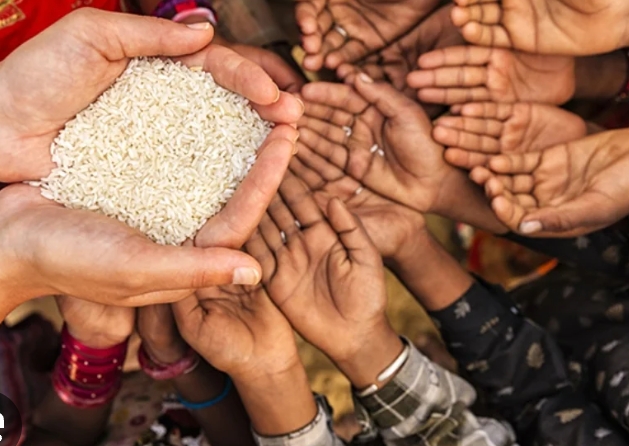
While grain prices recorded a comparatively modest rise of three per cent due to sufficient global supplies, wheat and maize prices still climbed significantly amid drought concerns and escalating production costs.
The World Bank observed that, unlike the 2022 Russia-Ukraine crisis which caused a dramatic spike in food prices, the current increase remains relatively contained because major grain and oilseed supplies are still available globally. However, the institution warned that the present shock is being transmitted mainly through rising energy and input costs rather than direct disruption to food export routes.
Soybean oil emerged as one of the most affected commodities, recording a 16 per cent rise in the first quarter and a 25 per cent year-on-year increase, driven by strong renewable diesel demand and new biofuel targets in the United States.
Food inflation has intensified most severely in import-dependent economies across the Middle East, North Africa, Afghanistan, and Pakistan, where the disruption of shipping routes through the Strait of Hormuz has compounded existing economic vulnerabilities. Iran, in particular, was highlighted as facing extreme pressure, with food inflation already approaching 98 per cent before the latest escalation.
The effects are also spreading beyond the Middle East, with rising food inflation now being felt across Europe and Central Asia, Latin America and the Caribbean, as well as South Asia.
Despite projecting only moderate increases in food commodity prices for the rest of 2026, the World Bank cautioned that risks remain significantly tilted to the upside if the conflict persists or energy prices continue to climb.
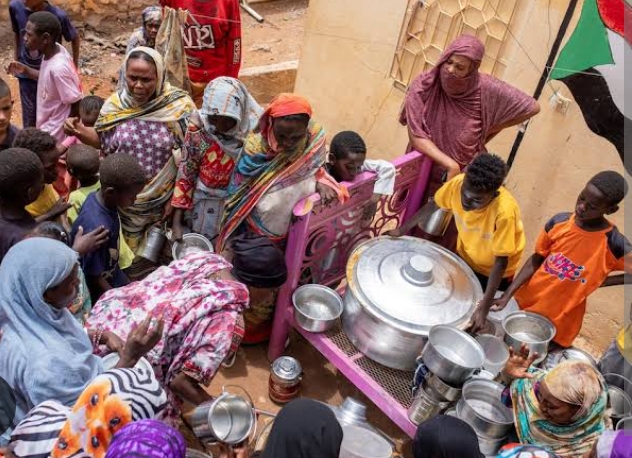
Adding to the concerns, the World Food Programme estimates that as many as 45 million additional people could face acute hunger this year should supply disruptions continue, with Sub-Saharan Africa and the MENAAP region expected to bear the heaviest burden.
Analysts say the situation underscores the growing vulnerability of global food systems to geopolitical shocks, especially in regions heavily reliant on imported food and energy supplies.
.