
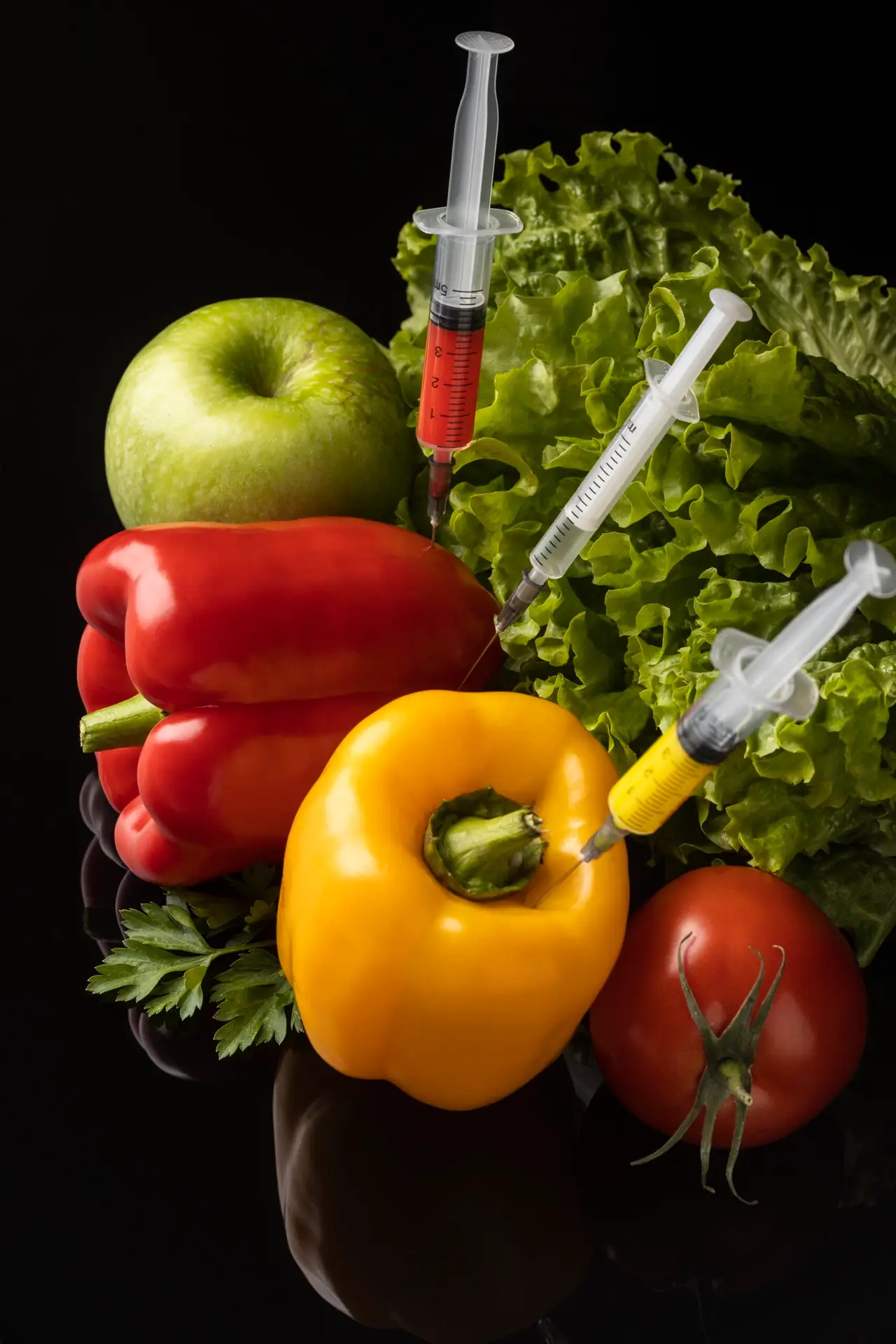
“The debate surrounding genetically modified organisms (GMOs) in Nigeria’s agricultural sector is intense and multifaceted as experts warns of the need for thorough risk assessments, proper regulation, and consideration of Nigeria’s specific context.
By Lanre Shodimu
As the world grapples with exponential population growth, the imperative to revolutionize agriculture has never been more pressing. To feed the ever-burgeoning population, we need to adopt innovative approaches, including improved seed varieties and advanced hybrid methods in animal husbandry. However, the introduction of Genetically Modified Organisms (GMOs) in agriculture has sparked intense debate, reflecting the complexity of the issue. Stakeholders, including farmers, consumers, scientists, and policymakers, hold diverse opinions on GMOs, influenced by factors such as economic implications, environmental concerns, and food security.
What are GMOs in plain terms?
Genetically Modified Organisms (GMOs) are living organisms whose genetic material (DNA) has been altered using genetic engineering techniques. This involves introducing genes from one species into the DNA of another species to introduce new traits or characteristics.
GMOs can be plants engineered for pest resistance, drought tolerance, or improved nutrition; animals engineered for improved growth rates or disease resistance; or microorganisms engineered for biofuel production or bioremediation.
The goal of GMOs is to introduce desirable traits such as increased crop yields, improved resistance to pests or diseases, enhanced nutritional content, and increased tolerance to environmental stresses. However, GMOs also raise concerns about potential health risks, environmental impact, economic implications, and ethical considerations.
The use of GMOs is regulated by laws and guidelines that vary by country, and ongoing debates surround their safety, benefits, and risks.
While some argue that GMOs can enhance crop yields, disease resistance, and nutritional content, others raise concerns about potential risks to human health and the environment. As we navigate this intricate landscape, it’s essential to weigh the benefits and risks of GMOs, consider multiple perspectives, and strive for informed decision-making to ensure a food-secure future.
GMOs in Nigeria’s Agricultural terrain: the back and forth
ON the heels of controversies surrounding Genetically Modified Organisms, GMOs, in Nigeria on the release of BT-Cotton and BT Cowpea, Tela Maize, a coalition of government agencies in the agricultural, environmental, and science and technology sectors including the Agricultural Research Council of Nigeria, ARCN; National Biotechnology Research and Development Agency, NBRDA; National Agricultural Seed Council; NASC, National Agricultural Quarantine Service; NAQS, Sheda Science and Technology Complex, SHESTCO; and National Biosafety Management Agency, NBMA, and led by the Agricultural Research Council of Nigeria, ARCN, declared that genetically modified crops are safe and pose no harm to humans, animals, and the environment in Nigeria.
The Coalition which which was reported according to Vanguard online of July 5th, 2024 is a Government focal agency for the regulation of GMOs unanimously affirmed the safety and benefits of genetically modified crops in Nigeria.
According to the group, campaigners against GMOs alleged that there were moves to turn the country into a dumping ground for GMOs produced in other countries negating the huge manpower available in the country, which their claims are unfounded.
However, the debate surrounding genetically modified organisms (GMOs) in Nigeria’s agricultural sector is intense and multifaceted. Proponents argue that GMOs can enhance food security, increase crop yields, and improve resistance to pests and diseases. The Minister of State for Agriculture, Aliyu Abdullahi, emphasizes that GMOs are crucial for addressing Nigeria’s agricultural challenges and ensuring food sufficiency, highlighting significant investments in GMOs developed by Nigerian scientists.
On the other hand, critics raise concerns about potential health risks, environmental impact, and economic implications. The Health of Mother Earth Foundation (HOMEF) and the GMO-Free Nigeria Alliance have urged the government to ban GMOs, citing risks to human health and the environment. They point out that many registered pesticides in Nigeria are highly hazardous and already banned in other countries.
Concerns about GMOs include potential long-term health effects, loss of biodiversity, soil degradation, and dependency on corporate seed supply. The House of Representatives has called for a comprehensive investigation into the introduction of GMOs in Nigeria, highlighting concerns about safety and regulatory oversight. The National Biosafety Management Agency (NBMA) regulates GMOs, but critics argue that the agency’s governing board includes GMO promoters, leading to conflicts of interest.
Views of Experts on the subject matter:
Experts have varying opinions on GMOs. Professor Akinniyi Adediran Osuntoki, Dean of Basic Medical Sciences at the University of Lagos, believes that genetically modified organisms (GMOs) can be beneficial for Nigeria’s food security.
According to the The Cable Publication of April 1, 2025, emphasizes that GMOs have been around for a while and occur naturally, but the difference lies in deliberate genetic modification for desirable traits. Osuntoki argues that GMOs can help address food security challenges, particularly with crops that can withstand climate change and increase farm yields. However, he advises caution and thorough risk assessments, suggesting that Nigeria’s decision to adopt GMOs should be based on a cost-benefit analysis.
On the other hand, Dr. Nnimmo Bassey, Executive Director of Health of Mother Earth Foundation (HOMEF), strongly opposes GMOs, citing concerns about potential health risks, environmental impact, and economic implications. Bassey argues that GMOs are designed to consolidate control of food and farming systems in the hands of a few corporations, rather than addressing food insecurity. He points out that GMOs can lead to loss of biodiversity, soil degradation, and dependency on corporate seed supply. Bassey advocates for agroecological methods of food production, citing that 70% of small-scale farmers feed the world through agro-ecological principles and techniques
Key Concerns Raised by Dr. Bassey:
Health Risks: Potential long-term effects of consuming GMOs, including organ damage and other health issues
Environmental Impact: Risk of GMOs contaminating non-GMO crops, affecting biodiversity, and soil health
Economic Implications: Dependency on corporate seed supply, potential loss of local seed varieties, and increased costs for farmers
Professor Osuntoki’s Views on GMOs:
Benefits: Potential to increase crop yields, improve resistance to pests and diseases, and enhance food security
Caution: Need for thorough risk assessments, proper regulation, and consideration of Nigeria’s specific context